
NEWS
-
 Published on 19/09/2013
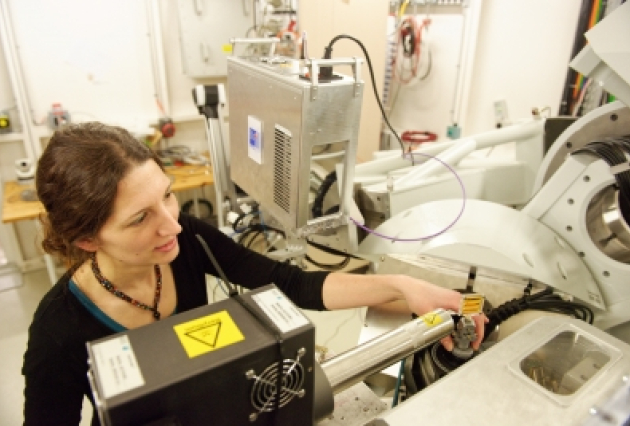
How interactions alter the number of electrons in iron-based superconductors
In 2008, a new family of superconductors was discovered, based on square planar iron. This attracted the attention of many physicists because superconductivity was found to occur up to relatively high (...)Read more -
 Published on 12/09/2013
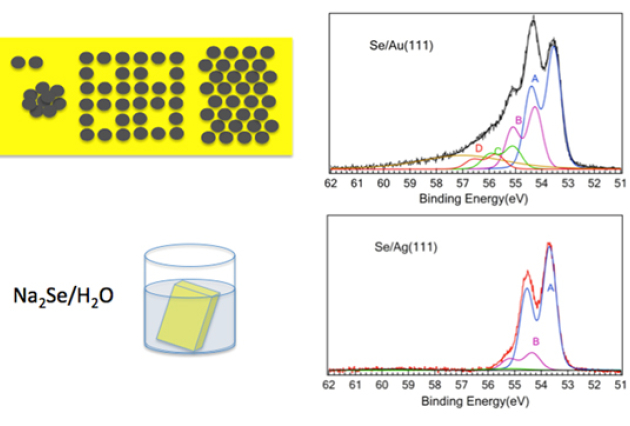
Selenium adsorption on coinage metals: chemisorption, polymerization and selenide films
Selenides e.g. bulk silver selenide are of much interest because of their use in various applications such as a thermoelectric materials, a photosensitizer in photography, in photochargeable batteries (...)Read more -
 Published on 27/08/2013
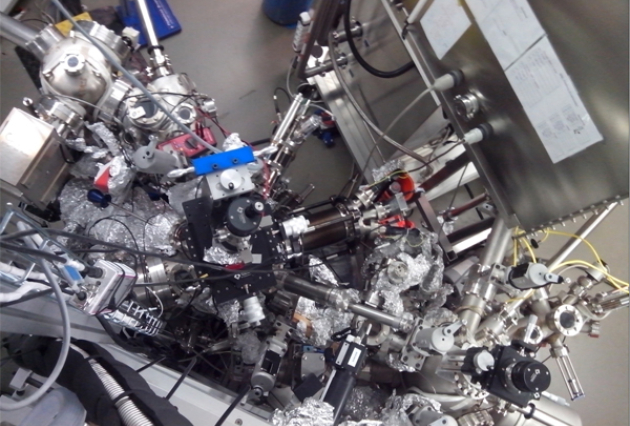
Molecular refrigerators
Experiments performed at DEIMOS beamline by a team of researchers of the Italian National Research Councils (CNR), the University of Manchester and French CNRS found that a single molecule may well (...)Read more -
 Published on 27/08/2013
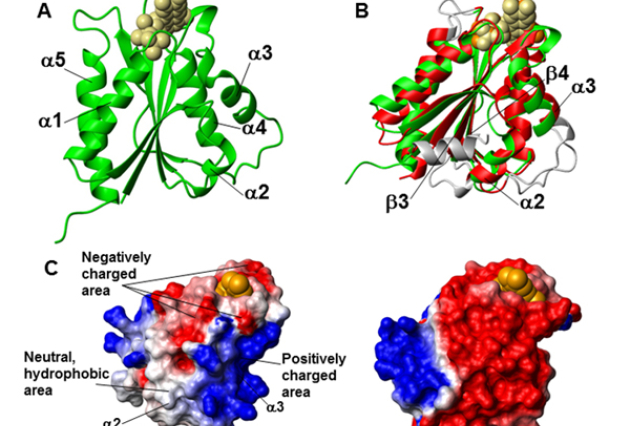
Molecular view of an electron transfer process essential for Fe-S protein biogenesis
Iron-sulfur clusters are ubiquitous cofactors made of iron and inorganic sulfur. They are essential for the function of proteins involved in a great range of activities: electron transport in (...)Read more -
 Published on 27/08/2013
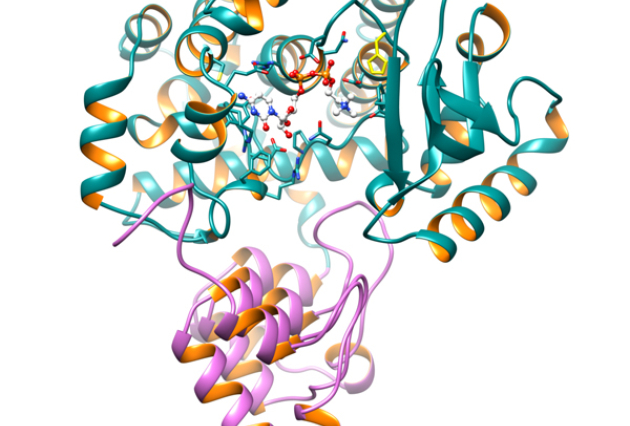
How the Legionella bacterium hijacks a regulator of membrane traffic in infected cells
Legionella pneumophila, which causes the Legionnaire’s disease, escapes destruction by the immune system by hiding inside the infected cell. This camouflage strategy requires that the bacterium (...)Read more -
 Published on 27/08/2013
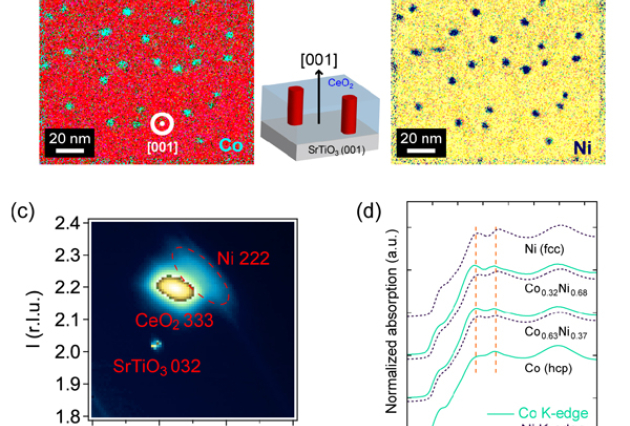
Self-assembled vertically aligned epitaxial ferromagnetic alloy nanowires: a combinatorial (...)
Researchers at the Paris NanoSciences Institute (CNRS-UPMC), in collaboration with groups at SOLEIL and UVSQ, have developed a new technique for growing epitaxial alloy nanowire arrays in a matrix (...)Read more -
 Published on 26/08/2013
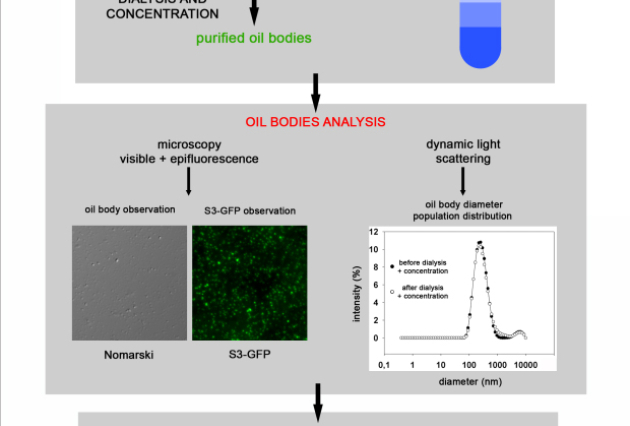
Plant oils and their derivatives. Structural study of an oleosin, a protein at the heart (...)
In the current context, with fossil fuels running out and high priority of environmental protection, the valorization of oil from biomass for energy and green chemistry is of increasing interest. The (...)Read more -
 Published on 17/07/2013
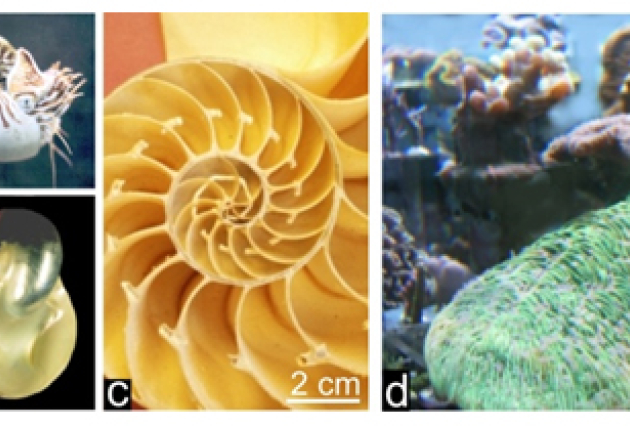
How do living organisms make mineral structures? At TEMPO beamline, X photoemission on (...)
X photoemission spectroscopy experiments carried out on TEMPO beamline provide the first direct and measurable evidence of an existing link between the organic and mineral phases of calcareous (...)Read more -
 Published on 15/07/2013
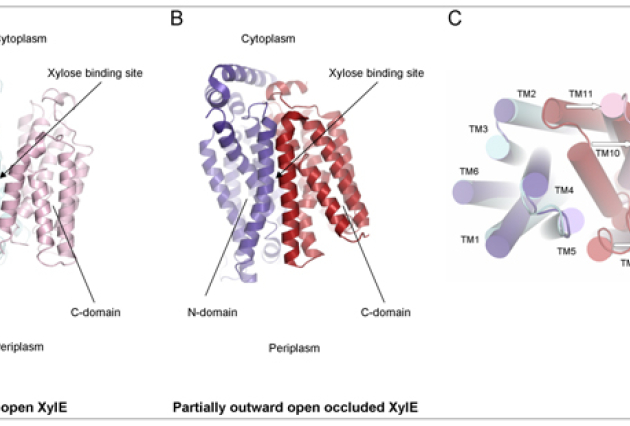
How are monosaccharides transported across the cell membrane?
A Swedish team provides key insights with a new 3D structure, solved from data collected on PROXIMA1, of the xylose transporter XylE from E. coli.Read more -
 Published on 12/07/2013
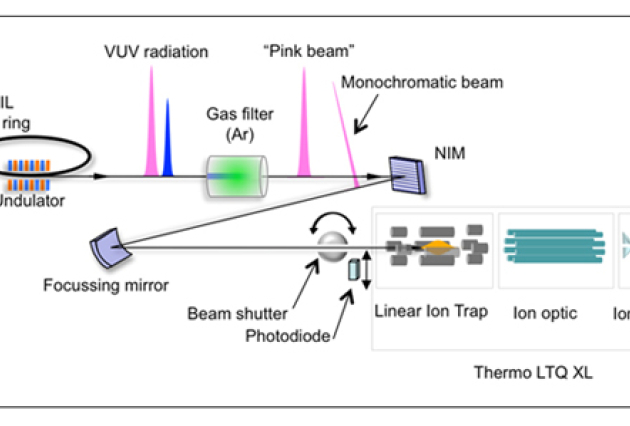
Three water molecules are enough to stabilize a dipeptide
Experiments carried out at DESIRS beamline show that nanosolvation of a fragile peptide dimer by only three water molecules, isolated in the gas phase, has a dramatic impact on its stability. A (...)Read more -
 Published on 12/07/2013
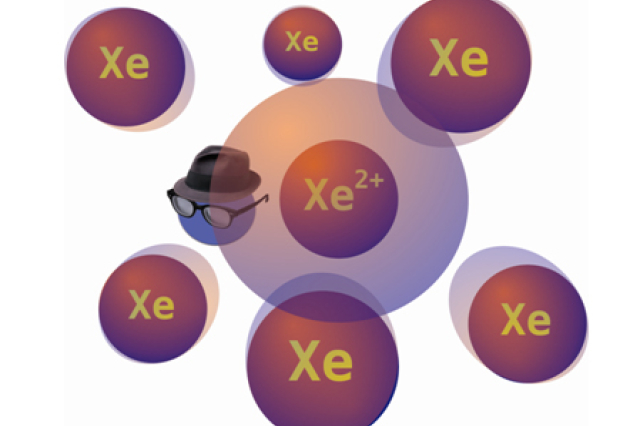
Shaken, not stirred - a spy story at the atomic level
Xenon is a fascinating but rare element. For an atomic physicist it shows itself as a horn of plenty: due to its electronic structure it provides a lot of transitions with complex electron correlation (...)Read more -
 Published on 12/07/2013
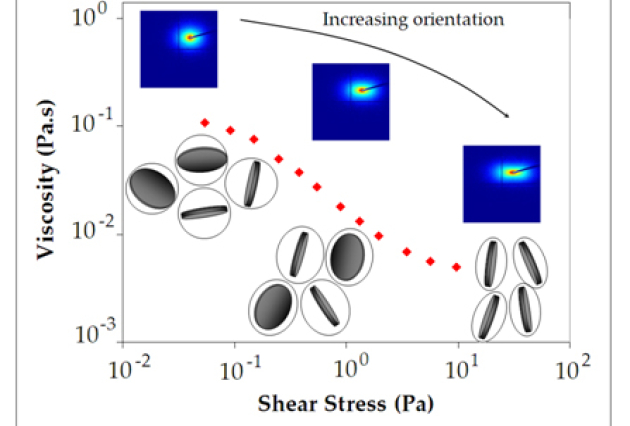
How do clays flow
Natural clays, widespread in our soils, are today at the heart of a wide variety of industrial processes ranging from the pharmaceutical and cosmetics industries to the food industry. Researchers at (...)Read more