NEWS
-
 Published on 14/03/2022
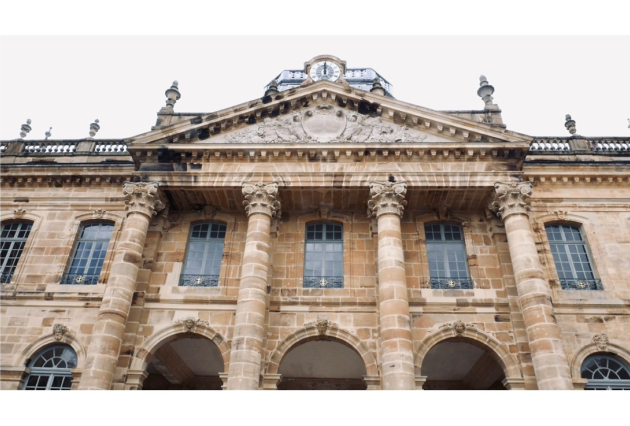
The patinas of Lunéville château sandstones under the SOLEIL X-rays
Lunéville château, aka the "Versailles of Lorraine", built in sandstone of the region, has had an eventful history marked by several fires. The most recent one, in 2003, was devastating, destroying (...)Read more -
 Published on 01/03/2022
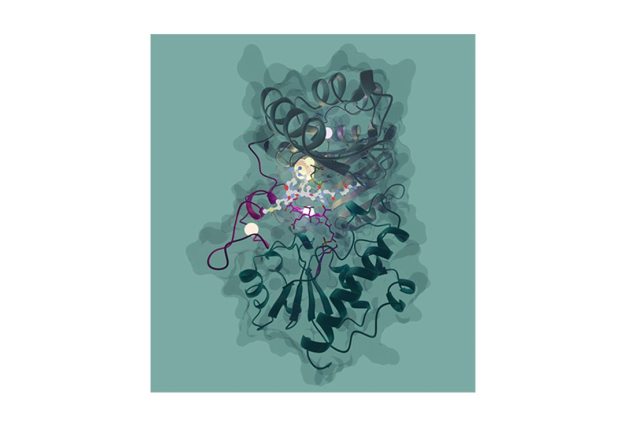
Monitoring the motion of a microbiome enzyme involved in methane biosynthesis
The largest and most diverse family of enzymes are the so-called radical SAM enzymes. They catalyse a large number of major biochemical reactions often unprecedented in living cells, notably for the (...)Read more -
 Published on 16/02/2022
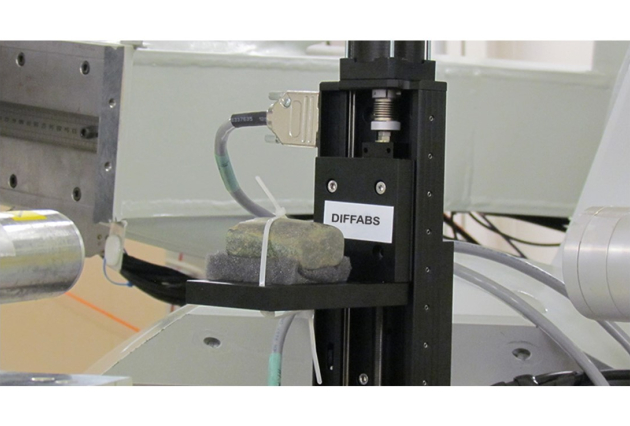
In search of the tools of the first bronze craftsmen in western France
The invention and diffusion of copper and bronze metallurgy in Europe constituted a true technical innovation for societies in the middle of the 3rd millennium BC. On the archaeological sites of (...)Read more -
 Published on 15/02/2022
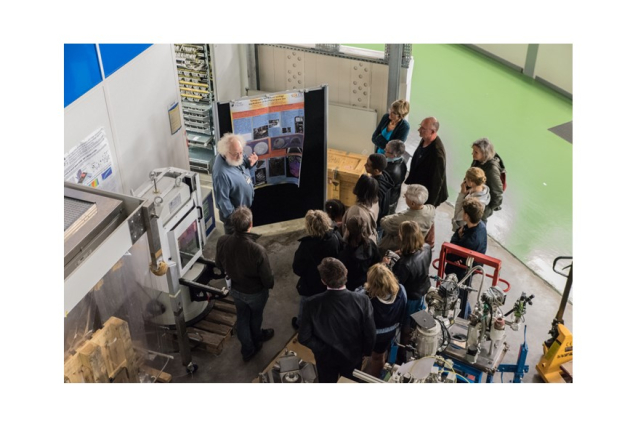
Synchrotron SOLEIL welcomes visitors again!
The improvement of the CoVid-19 situation allows us to welcome visitors again to Synchrotron SOLEIL! General audience, scholars and any other curious person are invitied to visit the French (...)Read more -
 Published on 07/02/2022
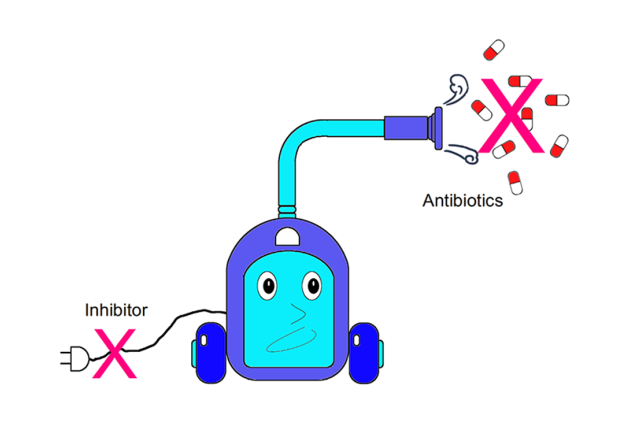
A new tool in the fight against multi-resistant bacteria
Scientists from France, Germany and Italy, in collaboration with the PROXIMA-2A beamline, have designed a new class of active molecules that inhibit one of the major mechanisms involved in the (...)Read more -
 Published on 07/02/2022
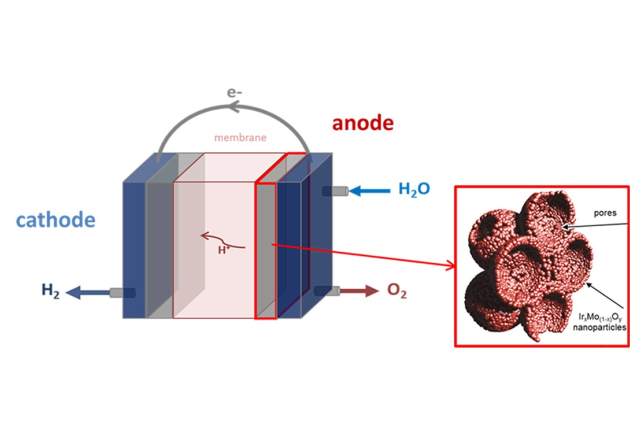
Is IrO 2 the best electrocatalyst to produce "green" hydrogen? Yes, but not in any state!
Iridium oxide is the key catalyst for the production of green hydrogen through water electrolysis in acid but it is very rare and expensive. In order to optimize its use as an electrocatalyst, it is (...)Read more -
 Published on 31/01/2022
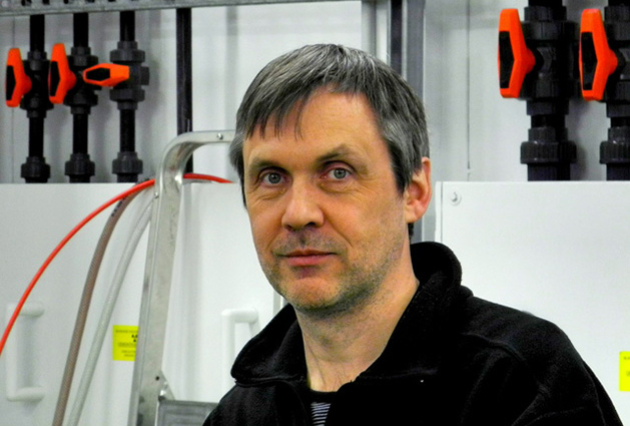
Passing of François Baudelet, in charge of the ODE beamline
On Friday January 28, 2022, we learned, with a profound sadness, of the passing of François Baudelet, Director of Research at CNRS and in charge of the ODE beamline at the SOLEIL Synchrotron.Read more -
 Published on 31/01/2022
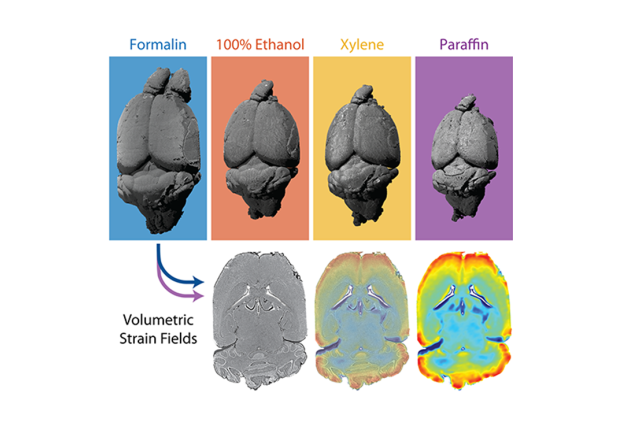
A new context for virtual histology: 3D X-ray microimaging of the brain during paraffin (...)
Microscopic imaging of the brain to identify diseases has traditionally relied on histology, where the brain tissue is embedded into paraffin wax and thinly sliced for investigation under a microscope (...)Read more -
 Published on 24/01/2022
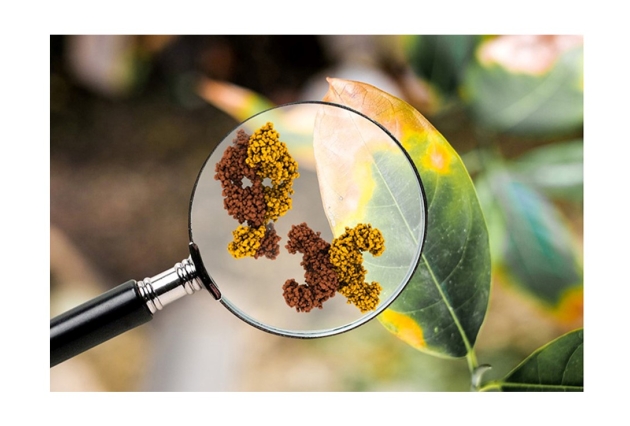
Light activates a molecular virulence switch in the bacterium responsible for the “black (...)
Researchers from the Fundación Instituto Leloir in Argentina together with scientists from PROXIMA-1 & PROXIMA-2A beamlines were able to describe at a molecular level the conformational changes (...)Read more -
 Published on 24/01/2022
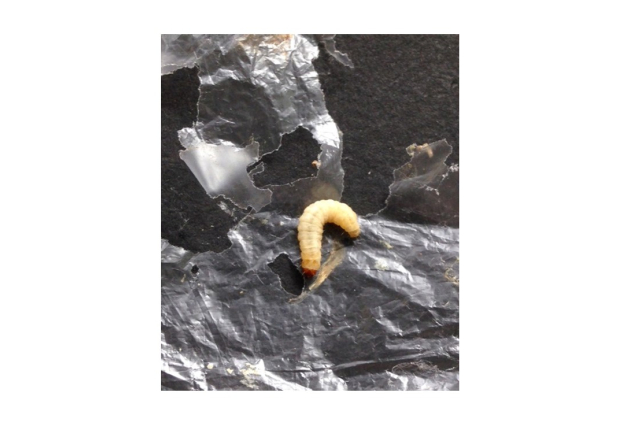
Do Galleria mellonella larvae really degrade and metabolize polyethylene?
A large part of the hundreds of millions of tons of plastic produced each year ends up in nature where it accumulates. Exposed to environmental physicochemical conditions, it fragments into billions (...)Read more -
 Published on 11/01/2022
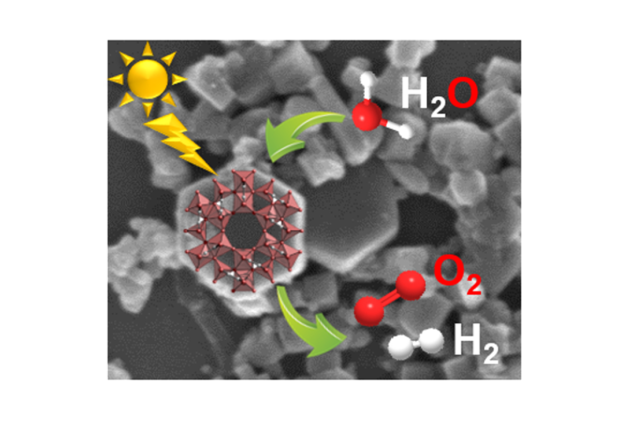
IMDEA Energy Institute develops a new material that open the gates to the solar fuels (...)
The generation of green fuels (e.g. H 2) is nowadays a very important research topic associated to the growing energy demand. Photocatalysis appears as a challenging path to produce H 2 just from (...)Read more -
 Published on 15/12/2021
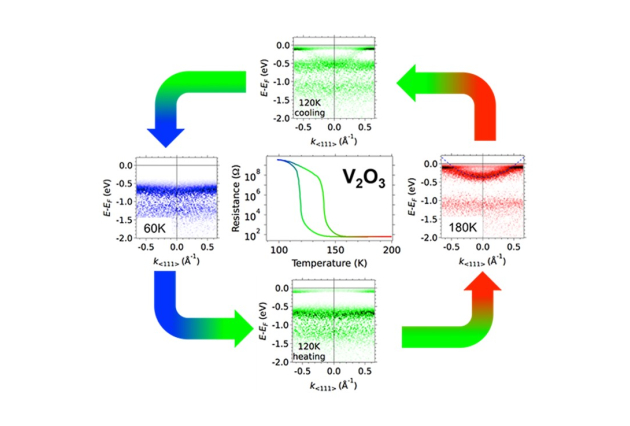
V 2O 3, the movie! An old physics mystery finally put into images
The properties of materials are the basis of many applications; explaining them is also sometimes still a challenge for researchers. The most familiar physical property is the ability of a material to (...)Read more