
NEWS
-
 Published on 30/05/2018
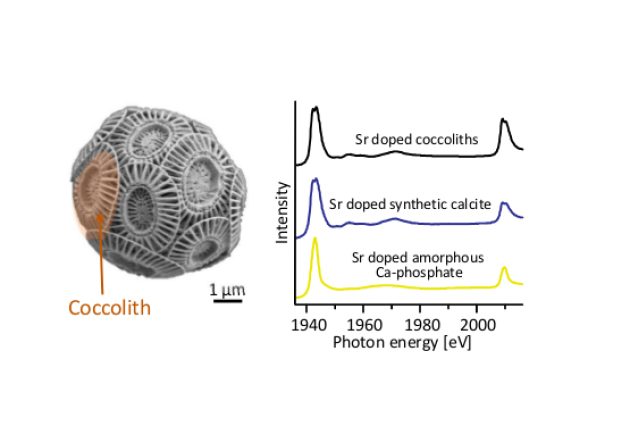
How is intracellular calcite formation in coccolithophorid algae supplied with calcium?
To build the hard scaly shells that enclose their cells, coccolithophorid algae produce calcitic scales within an intracellular calcifying compartment and secrete them onto the cell surface. The (...)Read more -
 Published on 18/05/2018
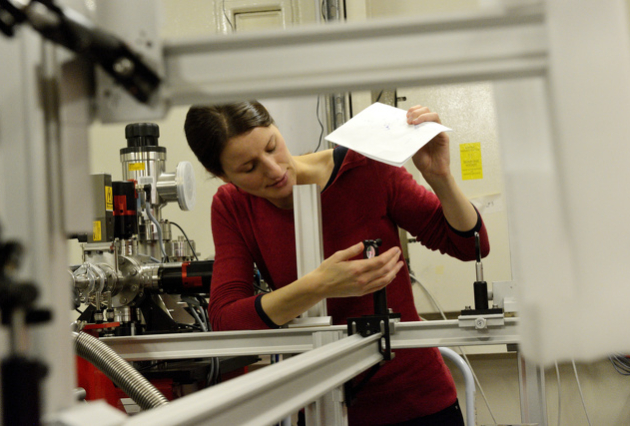
Claire Laulhé, a CNRS bronze medal at SOLEIL
Claire Laulhé, lecturer at the Paris-Saclay University (Paris-Sud) and affiliated to the SOLEIL synchrotron for her research, is honored this year with the CNRS bronze medal. The CNRS Bronze Medal (...)Read more -
 Published on 17/05/2018
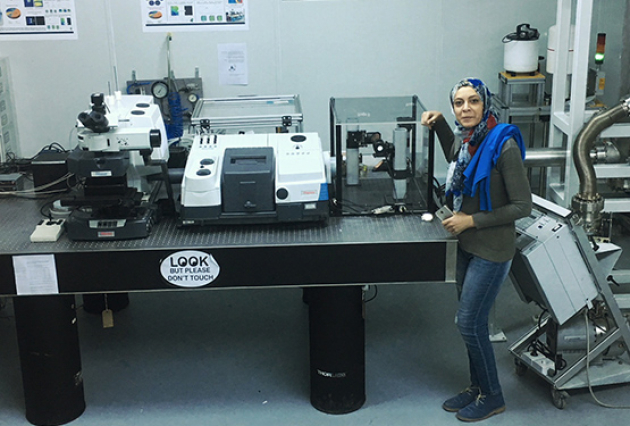
April 30, 2018 - Commissioning of the Infrared beamline at SESAME synchrotron: with a (...)
At the end of April 2018, the first coupling of the synchrotron radiation with a SESAME infrared spectrometer was conducted and the first molecule vibrational spectra were recorded. This infrared (...)Read more -
 Published on 03/05/2018
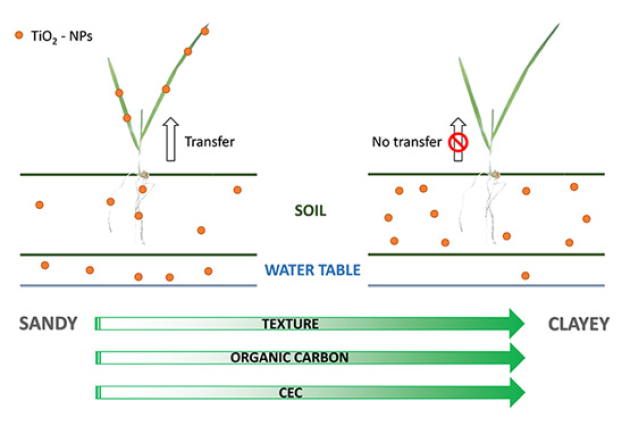
The transfer of TiO2 nanoparticles in the food chain depends on soil texture
Researchers from the Laboratory for Functional Ecology and Environment (EcoLab) in Toulouse, Grenoble CEA (INAC), the nuclear microprobe in Saclay CEA (LEEL) and the LUCIA beamline at SOLEIL have (...)Read more -
 Published on 30/04/2018
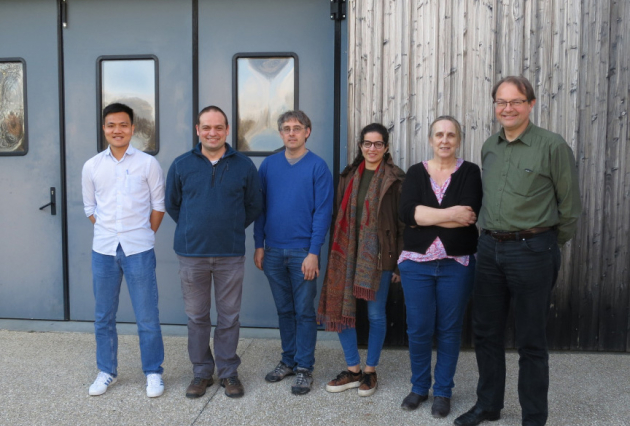
First users on ANATOMIX
From 10 to 14 April 2018, the ANATOMIX beamline hosted its first user experiment following a proposal approved by SOLEIL’s Program Committees. The research team led by Michel Bornert, from the (...)Read more -
 Published on 27/04/2018
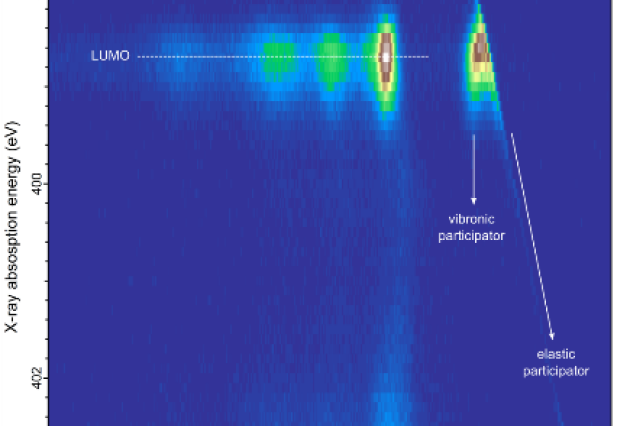
Dye-sensitised solar cells - How fast is ultra-fast charge transfer?
Electron transfer between a molecule and a semiconductor surface is a central mechanism in devices such as dye-sensitised photovoltaics and water splitting photoelectrochemical cells. A collaboration (...)Read more -
 Published on 18/04/2018
International Day of Light - May 16th 2018 at SOLEIL
The International Day of Light - Following the success of the International Year of Light in 2015, UNESCO has proposed a day dedicated to the celebration of light and light-related technologies: May (...)Read more -
 Published on 18/04/2018
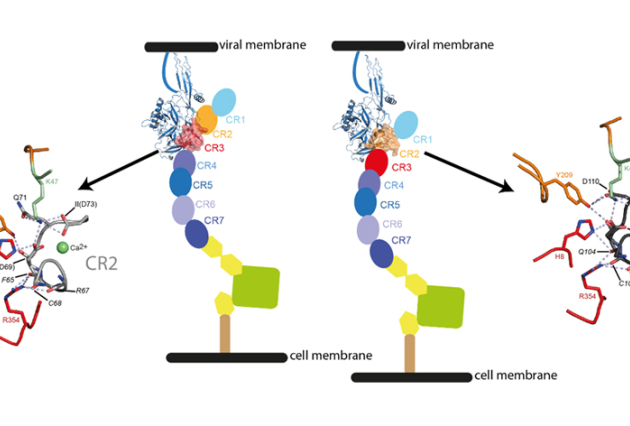
Structural basis of vesicular stomatitis virus entry into host cells
Vesicular stomatitis virus (VSV) is an enveloped virus which can infect insects, cattle, horses, and pigs. In mammals, its ability to infect and kill tumor cells, although sparing normal cells, makes (...)Read more -
 Published on 10/04/2018
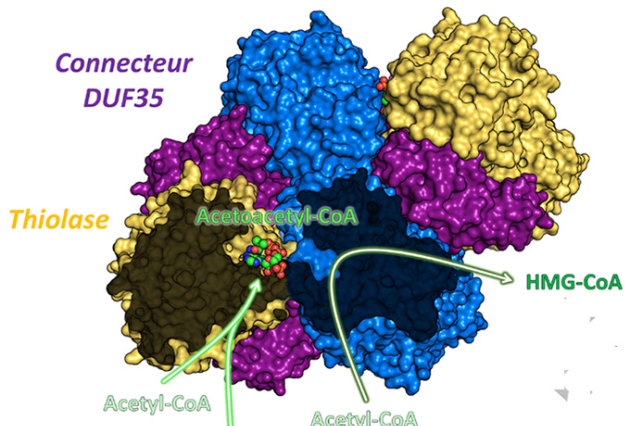
From Archaea membranes to industry: the key to the mevalonate biosynthesis reaction (...)
Researchers from the Max Planck Institute for Terrestrial Microbiology (Marburg, Germany), the Institute for Structural Biology (Grenoble, France) and the École Normale Supérieure (Lyon, France) have (...)Read more -
 Published on 10/04/2018
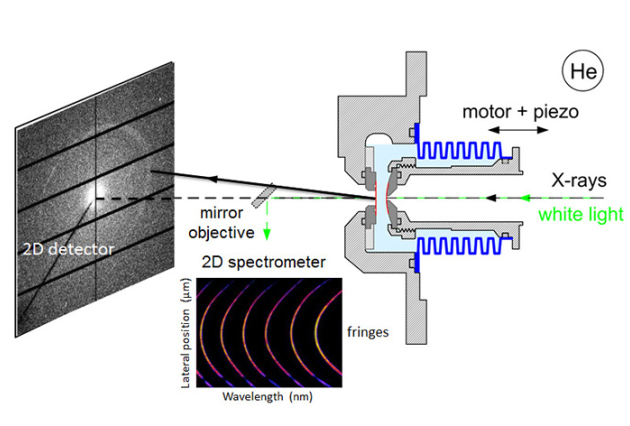
Long-range attraction between hydrophobic surfaces - Direct measurement of lateral (...)
While the hydrophobic effect forms the basis for many chemical and biological phenomena, the interaction between two hydrophobic substrates is still not understood. Thanks to the development of an (...)Read more -
 Published on 09/04/2018
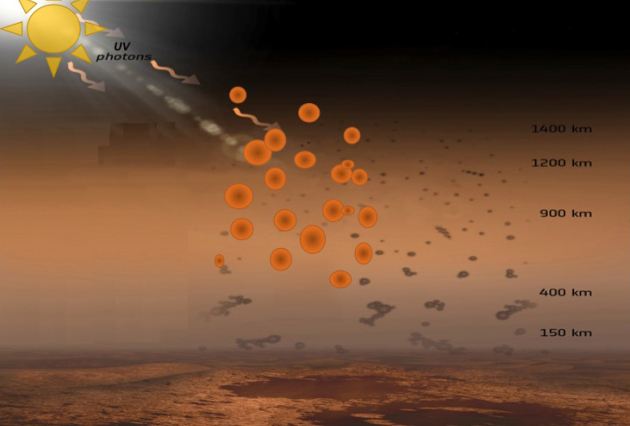
Sunburn on Titan’s haze
An international scientific consortium, led by teams from the LATMOS and DESIRS beamline, extends the legacy and impact of the Cassini-Huygens mission into the laboratory. During 13 years, the Cassini (...)Read more -
 Published on 23/03/2018
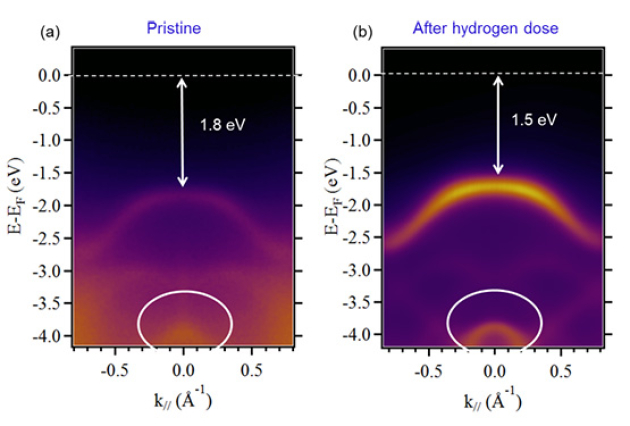
A reliable method to tune the 2D transition metal dichalcogenides (TMDs) doping without (...)
Researchers from C2N and University of Pennsylvania in collaboration with CASSIOPÉE and TEMPO beamlines found a reliable method to tune the electronic properties of 2D TMDs materials without quality (...)Read more