
NEWS
-
 Published on 18/11/2013
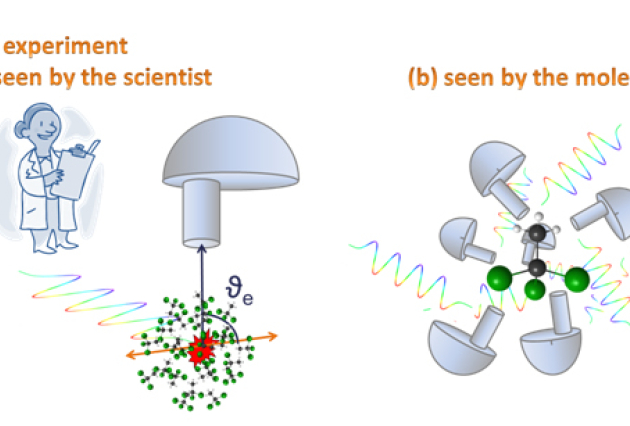
Photoemission spectroscopy: what do the angular distributions of electrons tell us
In a recent paper published in Physical Review an international group of scientists demonstrated that laboratory frame electron angular distributions can be used as a tool to probe the chemical (...)Read more -
 Published on 18/11/2013
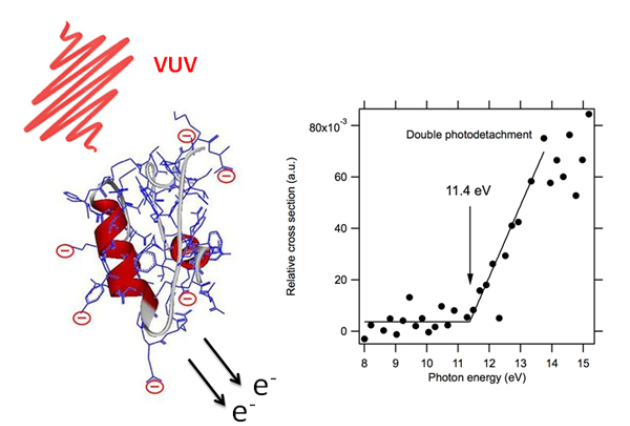
Proteins easy to peel... of electrons!
Removing electrons from a material requires energy that can be provided in various forms. When using light as the energy source, it is by the photoelectric effect that electrons are ejected from (...)Read more -
 Published on 17/11/2013
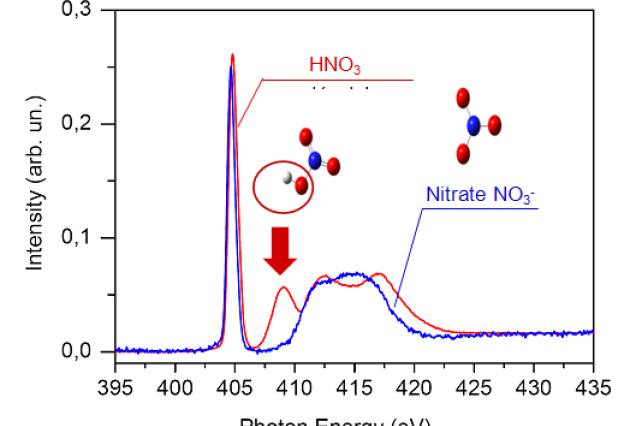
Nitric acid on snow flakes…
Nitric acid HNO 3 is an important player in a plethora of environmental heterogeneous processes involving atmospheric aerosols, icy particulates and snow. Whether nitric acid adsorbs in its molecular (...)Read more -
 Published on 15/11/2013
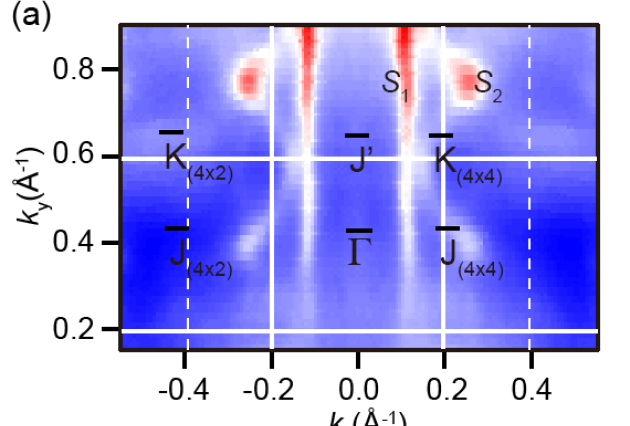
One-dimensional Fermi surface is stabilized even at low temperature
Angle-resolved photoelectron spectroscopy (ARPES) experiments carried out at 6 K on on Pt/Ge(001) atomic nanowires provide new elements to better understand the physics of the one-dimensional (...)Read more -
 Published on 05/11/2013
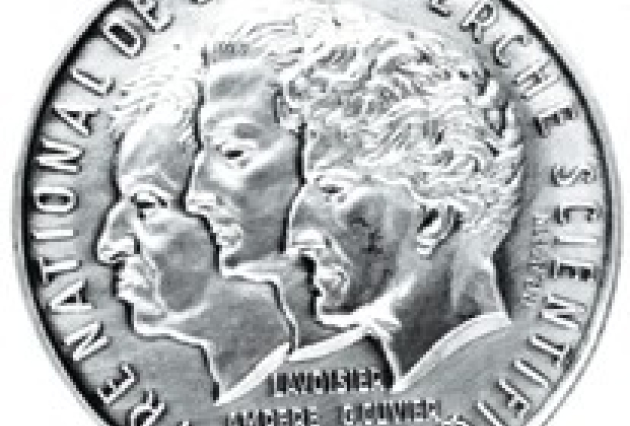
Anne Houdusse, user of the PROXIMA1 and SWING beamlines, obtains a CNRS Silver Medal
Anne Houdusse, a research director at the CNRS and head of the "Structural Motility" group at the Curie Institute, has been awarded in 2013 the CNRS Silver Medal. This recognizes her major (...)Read more -
 Published on 05/11/2013
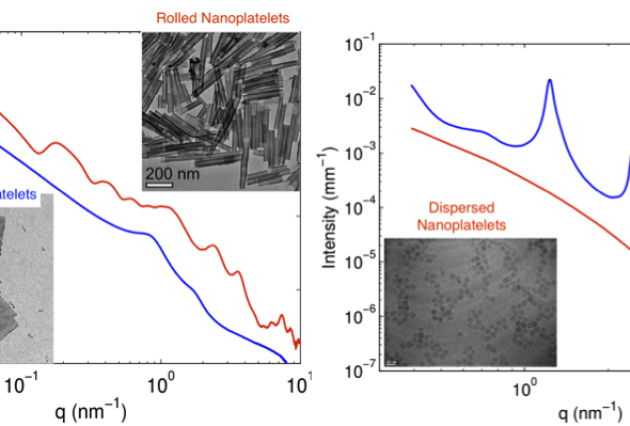
Semiconductor nanoplatelets that roll themselves up, unroll and stack
Researchers from LPS and LPEM (ESPCI) studied on the SWING beamline the self-assembly of semiconductor (CdSe and CdTe) nanoplatelets in solution. These ultra-thin anisotropic nanoparticles possess (...)Read more -
 Published on 04/11/2013
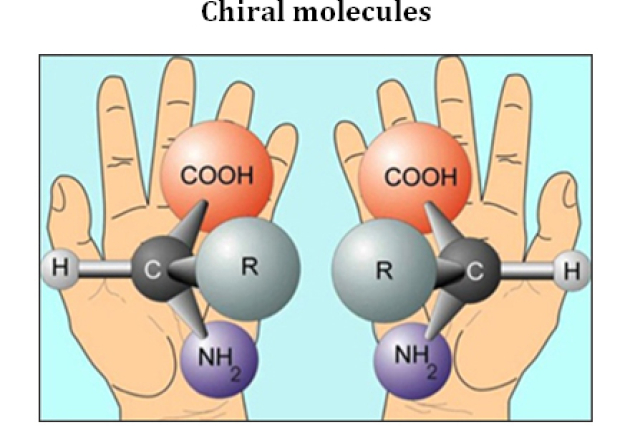
Chirality reveals electron/nuclear motion couplings
The coupling of electronic and nuclear motions is a striking manifestation of the complex many-particle dynamics involved in off-equilibrium systems, like excited molecules.Read more -
 Published on 04/11/2013
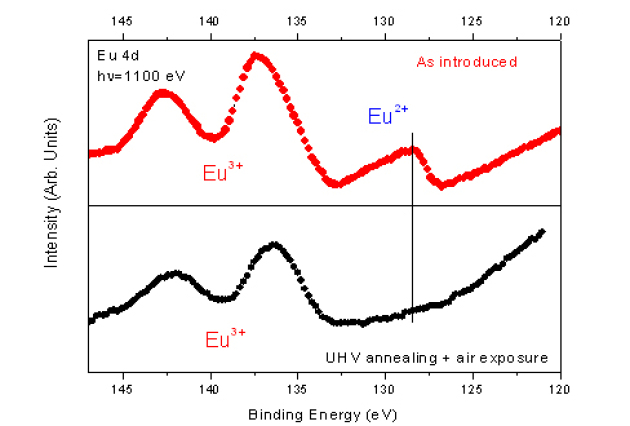
Mixed valence compounds: TEMPO beamline reveals the divalent character of hydrated (...)
Applications using Europium ions and especially Eu 3+ ions know renewed development in photonic applications such as organic light emitting diodes (OLEDs), lasers, optical communications, and as (...)Read more -
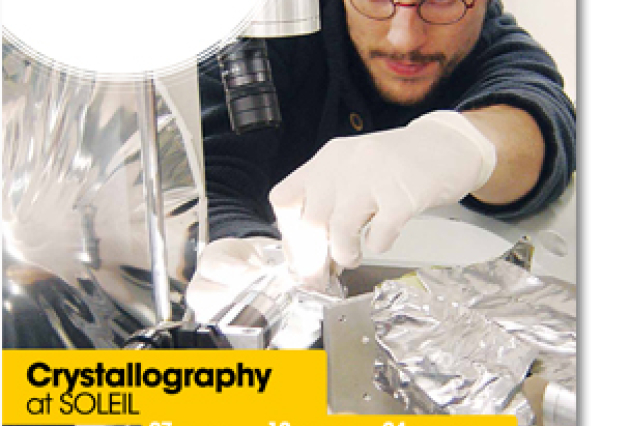 Published on 01/11/2013
LE RAYON DE SOLEIL - N°23 THE SYNCHROTRON MAGAZINE
Novembre 2013. 2013 has offered rich scienti c results as well as national and international events involving SOLEIL teams. We are now a few days away from the launch of the International Year of (...)Read more -
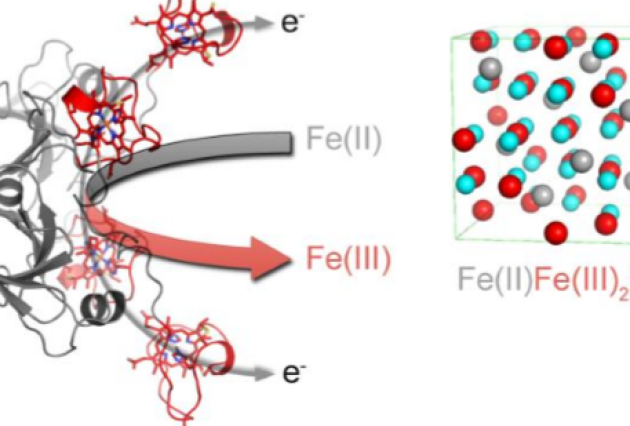 Published on 16/10/2013
Bacterium reveals the crucible central to its metallurgical activity
An international consortium led by researchers from the CEA, in collaboration with the CNRS, has characterized the structure and function of a protein involved in the production of magnetite (...)Read more -
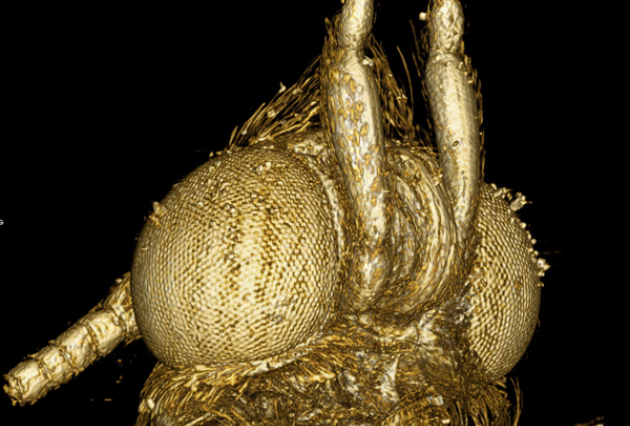 Published on 15/10/2013
A SOLEIL-made camera for X-ray tomography
The Detectors and Design and Engineering groups at SOLEIL, in collaboration with Paris-Sud Orsay University, have designed, developed, manufactured and assembled a new camera dedicated to full-field (...)Read more -
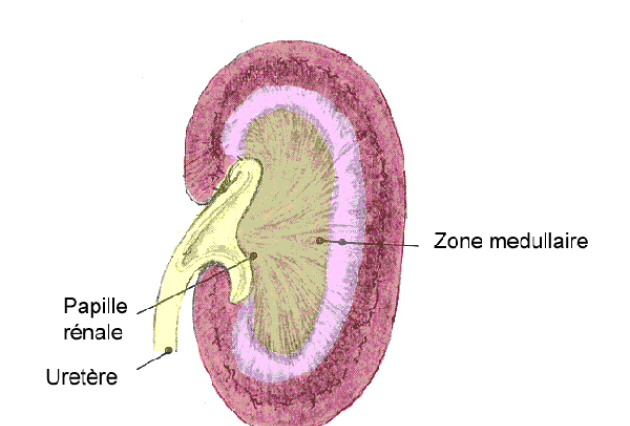 Published on 11/10/2013
Of mice and men… and uric acid
In humans an excess of uric acid (or hyperuricemia) is associated with, or responsible for several serious health problems: metabolic syndrome 1, gout and kidney dysfunction. Other living beings are (...)Read more