NEWS
-
 Published on 30/04/2020
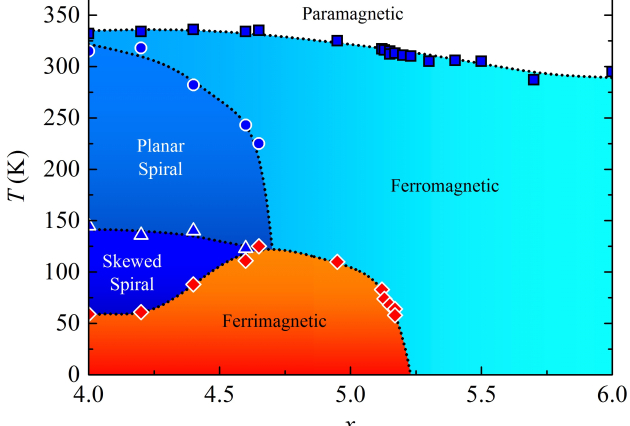
Quantum criticality in YbMn6Ge6-xSnx at room temperature
Through X-ray absorption and x-ray magnetic circular dichroism measurements, researchers at the Institut Jean Lamour (Université de Lorraine, Nancy), the Paul Scherrer Institute (Villigen, Switzerland (...)Read more -
 Published on 06/04/2020
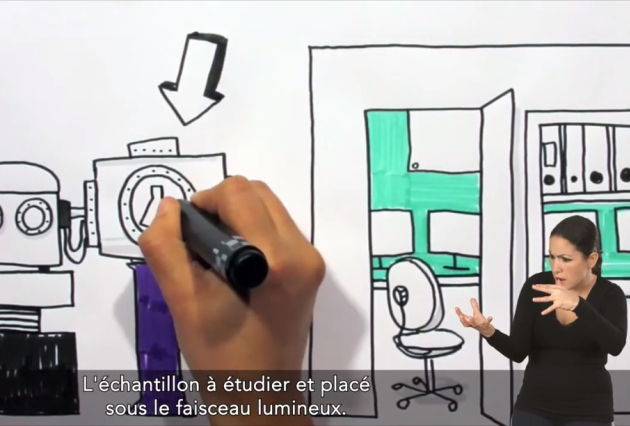
SOLEIL persists and signs (in French Sign Language - LSF)
A new video with French subtitles (VFSTF) and dubbed in French Sign Language (LSF) is available.Read more -
 Published on 02/04/2020
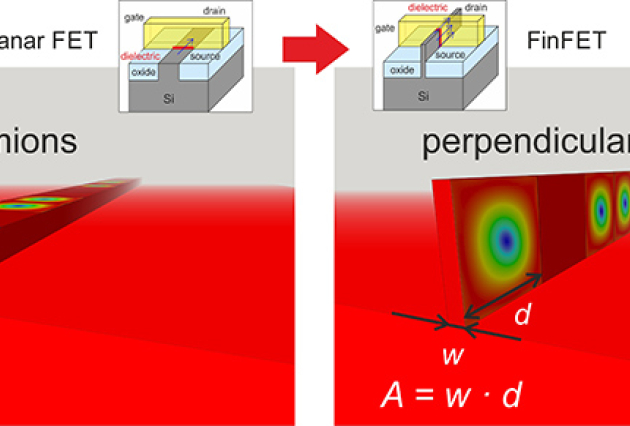
Skyrmions at the Surface – A Novel Topological Magnetic State Discovered by Resonant (...)
The search for improved information carriers remains a major task in data storage technology research. The ideal candidate should be stable against external disturbance such as temperature or field (...)Read more -
 Published on 26/03/2020
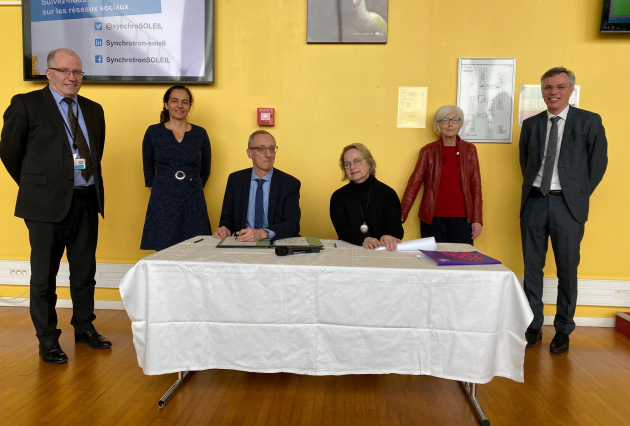
SOLEIL: the first very large research facility to sign the French National Charter for (...)
On 4 March 2020, Jean Daillant, Director General of SOLEIL, formally signed the French National Charter for Research Integrity. The official signature of this charter follows the vote by the Board of (...)Read more -
 Published on 24/03/2020
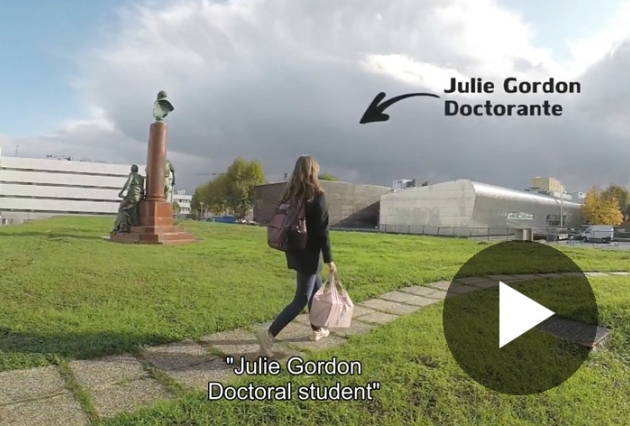
Julie's PhD thesis – episode 2 - Musée des Arts et Métiers storage facility
We continue to follow Julie Gordon, doctoral student at the MONARIS laboratory and at the SOLEIL synchrotron, in the various places where her research work leads her.Read more -
 Published on 24/03/2020
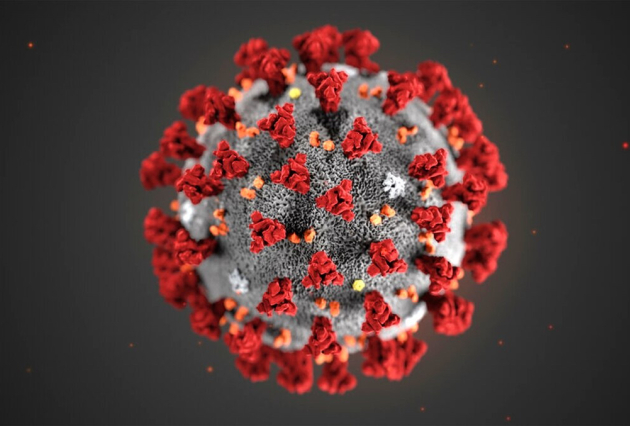
Covid-19 Research at Synchrotron SOLEIL and rapid access
Synchrotron SOLEIL, which welcomes up to 5000 visitors per year as facility users as well as the general public, has been temporarily closed in line with French government recommendations, in order to (...)Read more -
 Published on 18/03/2020
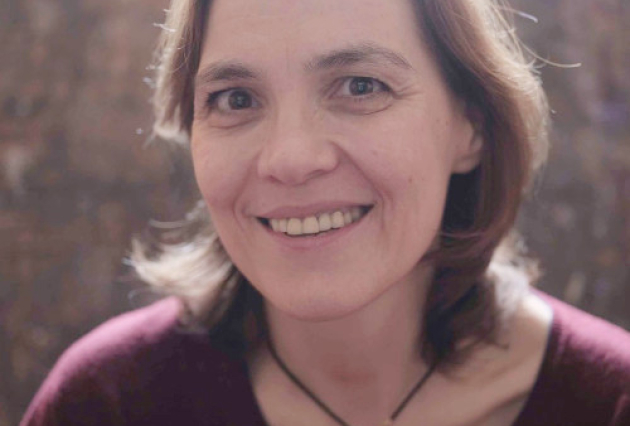
Nomination of Anne Houdusse to the Academy of Sciences
Anne Houdusse Juillé, user of the PROXIMA 1, PROXIMA 2A and SWING beamlines since 2008, was elected to the Academy of Sciences in December 2019. She joins Dino Moras and Félix Rey (elected (...)Read more -
 Published on 12/03/2020
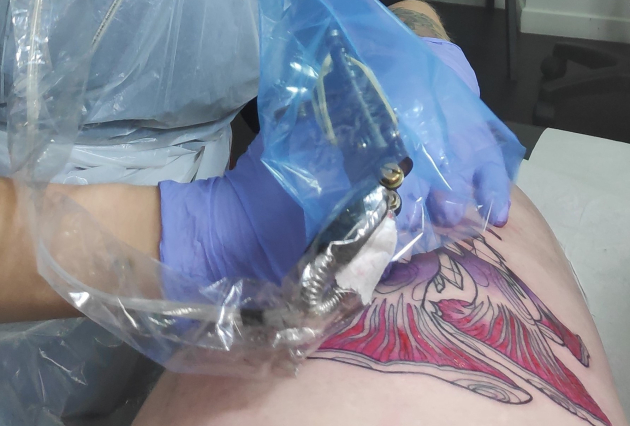
Tattoos – What do the inks contain and what role do they play in the development of skin (...)
Tattoos became a trend during the nineties. Currently, in France 15% of the population are tattooed, including 25% of those under the age of 30. However, this practice involves a risk of skin reaction (...)Read more -
 Published on 09/03/2020
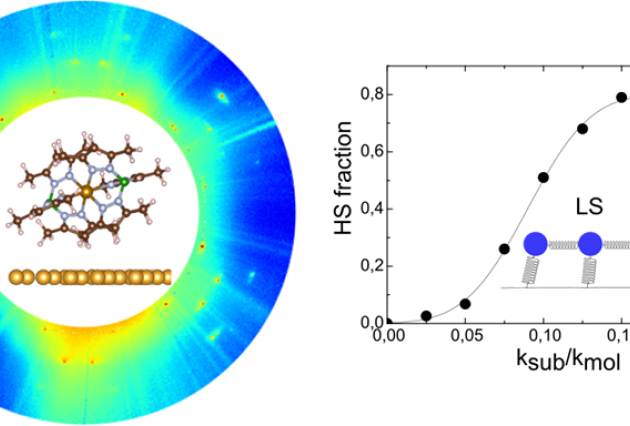
How to force the magnetic state of a bistable molecule
Spin crossover molecules have two states (a magnetic one and a non-magnetic one) that can be modified by external stimuli. The possibility of switching from one state to another with stimuli is very (...)Read more -
 Published on 06/03/2020
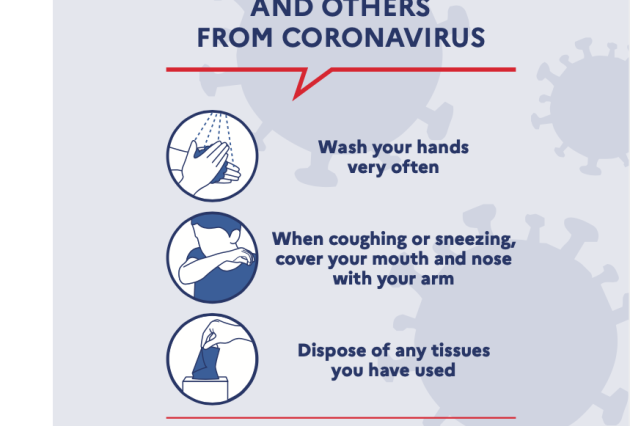
Coronavirus : closure of SOLEIL's site
Updated March 16th, 18:30Read more -
 Published on 31/01/2020
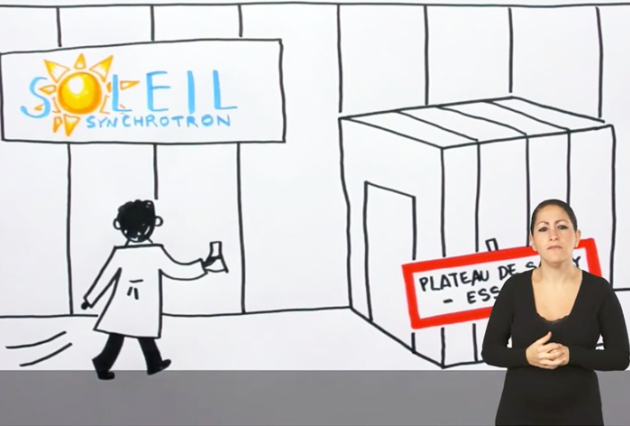
SOLEIL opens up to French Sign Language
In France, more than 7 million people experience hearing problems, or 11% of the population. And this is a figure that is not likely to fall with the aging of the population. In addition to people who (...)Read more -
 Published on 29/01/2020
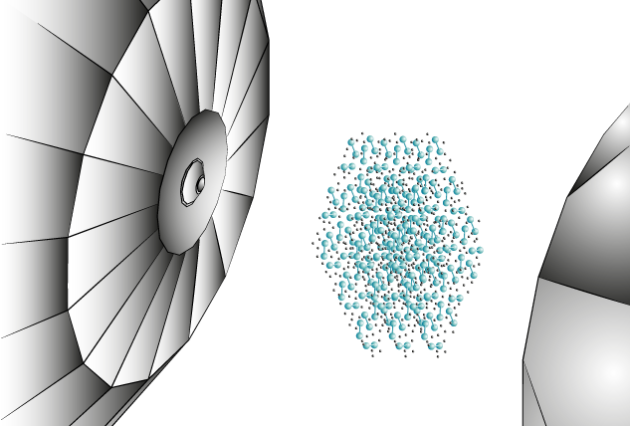
The metallic state of hydrogen has finally been revealed
Hydrogen, the most abundant element in the universe, consists of only one proton and one electron. So, it is neither rare nor - evidently - complex, and yet it continues to fascinate scientists (...)Read more