ARW 2017 (Accelerator Reliability Workshop)
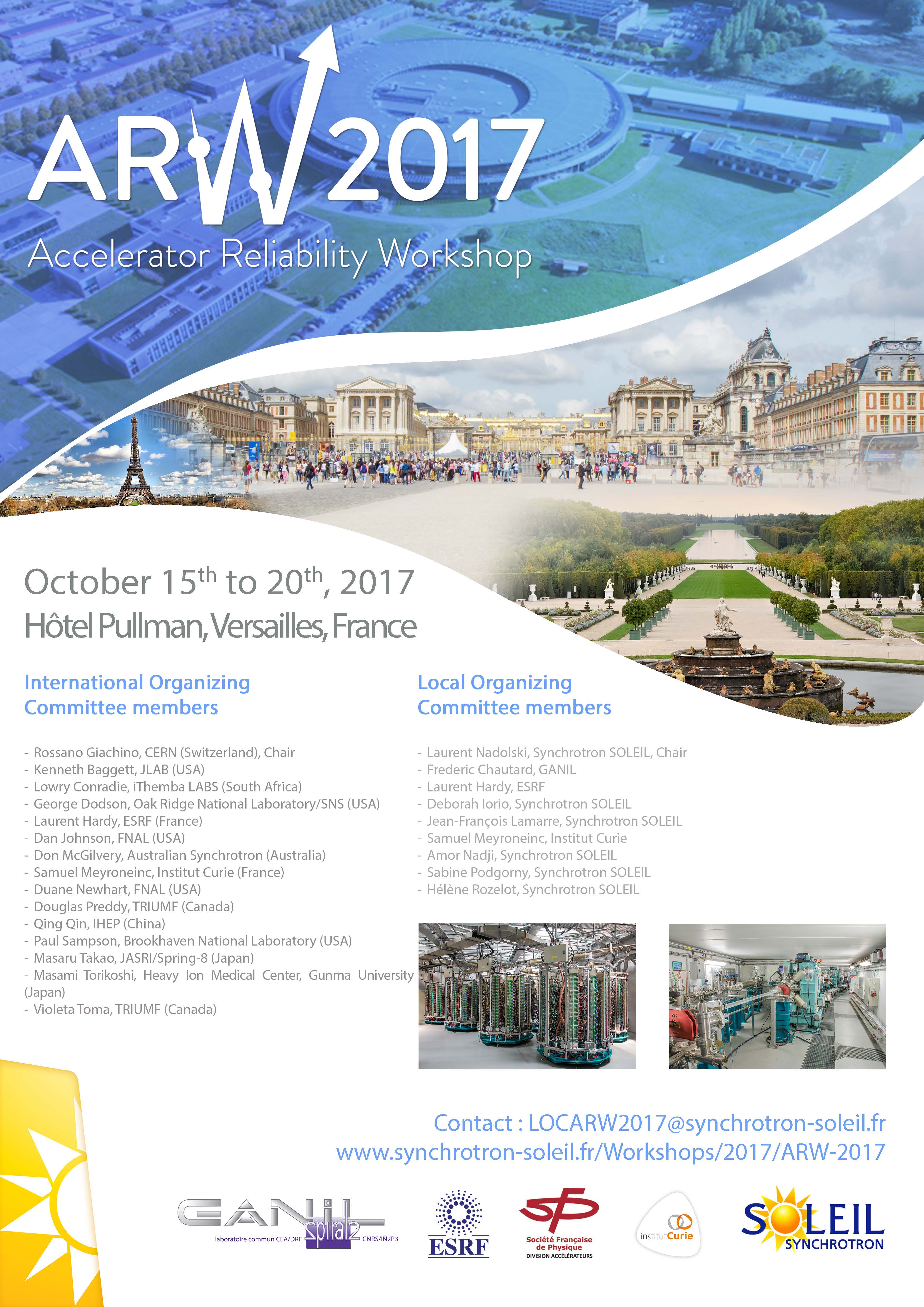
We are pleased to announce the 6th Accelerator Reliability Workshop, ARW 2017, which will take place in Versailles, France, from October 15 to October 20, 2017. ARW 2017 is hosted by Synchrotron SOLEIL and supported by ESRF, GANIL, Institut Curie and the French Physics Society. It follows in the tradition of successful workshops started by the ESRF (Grenoble 2002), TRIUMF (Vancouver 2009), iThemba (Cape Town 2011), the Australian Synchrotron (Melbourne 2013) and SNS (Knoxville 2015).
The ARW provides a venue for individuals from accelerator communities worldwide to meet and share their experiences on operating reliable facilities. The workshop fulfills the need to improve information exchange on technical issues and equipment reliability. It facilitates the opportunity for individuals to share their problems and solutions with their peers from other facilities, worldwide.
We look forward to welcoming you at Versailles and meeting you at the workshop.
Rossano Giachino, CERN, Chairman of the International Organizing Committee
Laurent S. Nadolski, SOLEIL, Chairman of the Local Organizing Committee
| Scientific program at a glance | Scientific program with abstracts |
ARW general web site (archives of previous workshops available)
Institutes
|
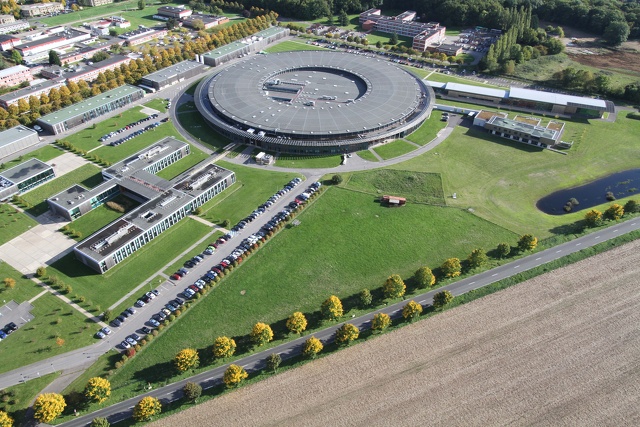
SOLEIL, an acronym for “Optimized Light Source of Intermediate Energy to LURE* ,” is a research center located on the Plateau de Saclay in Saint Aubin, Essonne. More concretely, it is a particle (electron) accelerator that produces the synchrotron radiation, an extremely powerful light that permits exploration of inert or living matter. High-technology facility, SOLEIL is both an electromagnetic radiation source covering a wide range of energies (from the infrared to the x-rays) and a research laboratory at the cutting edge of experimental techniques dedicated to matter analysis down to the atomic scale, as well as a service platform open to all scientific and industrial communities. |
|
|
The Proton Therapy Center of Orsay (CPO), unit of Institut Curie, has treated over 5000 patients since its creation in 1991 and 550 patients for the year 2016. The center consist of a 230 MeV cyclotron and 3 treatments rooms. Patients with ophthalmological and intra-cranial tumors can be treated in seated or lying positions. Other tumors located in other parts of the body can be treated in a dedicated room equiped with an isocentric gantry. The center carries on also reasearch activities The staff is composed of nearly 50 people (Radiation Oncologists, Medical physicists, Therapists, Technicians, Engineers) |
|
|
GANIL research activities deal theoretically and experimentally with: the structure of the atomic nucleus the nuclear fission and multifragmentation processes the hot nuclear matter nuclear astrophysics interdisciplinarity studies Studies are performed within European and International collaborations and they involve different institutes belonging to the CEA/DRF and to the CNRS/IN2P3 organizations. A number of technical developments associated with existing and foreseen equipments are performed by local engineers and technicians, in collaboration with other French and foreign institutes. |
|
|
The ESRF is the world's most intense X-ray source and a centre of excellence for fundamental and innovation-driven research in condensed and living matter science. Located in Grenoble, France, the ESRF owes its success to the international cooperation of 22 partner nations, of which 13 are Members and 9 are Associates. Thanks to the brilliance and quality of its X-rays, the ESRF functions like a "super-microscope" which "films" the position and motion of atoms in condensed and living matter, and reveals the structure of matter in all its beauty and complexity. It provides unrivaled opportunities for scientists in the exploration of materials and living matter in many fields: chemistry, material physics, archaeology and cultural heritage, structural biology and medical applications, environmental sciences, information science and nanotechnologies. |
Deadlines
| Event | Start | End |
|---|---|---|
| Preliminary programme and session abstract | 15 January 2017 | 15 June 2017 |
| Sponsor registration | January 2017 | 1 July 2017 |
| Early bird registration | 27 March 2017 | 15 July 2017 |
| Abstract submission | 27 March 2017 | 30 August 2017 |
| Hotel reservation with special fee | 27 March 2017 | 15 June 2017 |
| Late bird registration | 16 July 2017 | Closed |
| Programme (Contributions Submission) | End of June 2017 | Beginning of July 2017 |
| Workshop | 15 October 2017 | 20 October 2017 |
International Organizing Committee
- Rossano Giachino, CERN (Switzerland), Chair
- Kenneth Baggett JLAB (USA)
- Jacobus Lodewikus Conradie, iThemba LABS (South Africa)
- George Dodson, Oak Ridge National Laboratory/SNS (USA)
- Laurent Hardy, ESRF (France)
- Daniel Johnson, FNAL (USA)
- Don McGilvery, Australian Synchrotron (Australia)
- Samuel Meyroneinc, Institut Curie (France)
- Duane Newhart, FNAL (USA)
- Douglas Preddy, TRIUMF (Canada)
- Qing Qin, IHEP (China)
- Paul Sampson, Brookhaven National Laboratory (USA)
- Masami Torikoshi Heavy Ion Medical Center, Gunma University (Japan)
- Masaru Takao, JASRI/Spring-8 (Japan)
- Violeta Toma, TRIUMF (Canada)
Local Organization Committee
- Laurent Nadolski, Synchrotron SOLEIL, Chair
- Frederic Chautard, GANIL
- Laurent Hardy, ESRF
- Deborah Iorio, Synchrotron SOLEIL
- Jean-François Lamarre, Synchrotron SOLEIL
- Samuel Meyroneinc, Institut Curie (France)
- Amor Nadji, Synchrotron SOLEIL
- Sabine Podgorny, Synchrotron SOLEIL
- Hélène Rozelot, Synchrotron SOLEIL
Workshop Program
Session Abstracts
1) Welcome/Introduction to Reliability
Welcome A. Nadji / L. Nadolski
General introduction to reliability workshop R. Giachino
Workshop scope and goals/benefits to attendees.
2) Availability Tracking and Metrics G. Dodson
Availability is the amount of time a system is working at its full functionality during the time it is required to do so. The key metrics involved in measuring availability are Mean Time Between Failure (MTBF), sometimes referred to as Mean Time to Failure (MTTF), and Mean Time to Repair (MTTR). The methods for tracking availability and setting performance metrics can be different for each laboratory or institute. They are typically measures of success that can allow for facility performance over time and comparisons between facilities. How are they developed for your facility? How do subsystem metrics influence the overall metrics? The values and methods used by different labs should be shown and explained.
3) Reliability Before Design R. Giachino
Reliability and availability requirements are taken in consideration long time before the design will actually start. This is a common practice in many industrial applications and is becoming more and more common for new projects in the accelerator domain. A systematic analysis of all machine parameters and scenarios should serve as a basis to establish prediction and calculations to correctly dimension accelerator sub-systems and components. Knowing how to calculate reliability is important, but knowing how to achieve reliability is equally, if not more, important. Reliability practices must begin early in the design process and must be well integrated into the overall product development cycle. The reliability design process is often divided in key activities: 1) Define, 2) Identify, 3) Analyze and Assess, 4) Quantify and Improve, 5) Validate and 6) Monitor and Control.
This session will try to answer how to fold reliability considerations into the early stages of system design by reviewing best practices at different facilities and comparable industrial installations.
Topics to be considered:
- Tools, procedures and practices to calculate and predict system reliability during the design phase.
- Tools, provide a roadmap that can easily be followed, as well as easily mapped into a Product Development Process (Concept, Design, Assurance, Manufacturing and Launch).
- What are the main goals of dependability analysis at the different facilities and who is information presented/distributed?
- How to determine the required dependability goals for a subsystem.
- Risk assessment (FMEA, STPA...)
4) Plenary Discussion D. Newhart
Proposals: Who tracks your reliability and metrics?
Do you have a dedicated group, or does each group track themselves?
Application of standards in the particle accelerator community
Current and future application
5) Infrastructure D. Johnson
Our facilities primarily focus on the accelerators, however infrastructure such as cryogenic plants, water-cooling, water distribution, and electrical power distribution that supports the facility and accelerators affects their reliability.
6) Accelerator Systems V. Toma
Major accelerator systems such as RF, power supplies for accelerator components, vacuum systems, often need to modify to improve performance and reliability. Upgrades can be done incrementally or all at once. What are strategies for implementing improvements particularly for new technology?
7) Accelerator Control D. Newhart
Controls hardware, software, feedback systems, and machine protection can seriously influence reliability. How do we face compatibility issues for systems that control and protect your equipment? How do you evolve or integrate these systems to improve reliability? Possible solutions; continuous deployment, test-driven development, smooth software upgrades (planning and execution) …
8) Failure Investigation K. Baggett
Looking at failures and going through the investigation process. The investigation process may be different for various types of failures. Can the process start before a failure by utilizing predictive failure monitoring? We do not want to focus on the results but in the process of getting to those results. We encourage presenting uses case scenarios in this session.
Root Cause Failure Analysis (RCFA) is a very useful tool for improving the reliability of equipment or a process. It is a logical, structured, and deductive technique that can identify the causes behind the failure.
9) Maintenance for High Reliability P. Sampson
Maintenance methods differ facility to facility; strategy will impact on reliability and performance. This session will hopefully highlight, which measures, criteria, strategy, contribute most to improve reliability.
How do you track it? What are best practices?
Compare different facilities and different accelerator cultures.
10) Invited Speaker
11) Poster Session M. Takao
Poster presentations
12) Medical Accelerators S. Meyroneinc/ M. Torikoshi
The thematic of Particle Accelerators in the Medical Applications are mainly in connection with Radiation Oncology. Solutions for photon or electron irradiation are established solutions provided by major industrial companies. The emergent field of Particle Therapy can be now described along two extreme categories: the facilities managed as those for Large Equipment for Physics and the ones completely managed by industrials. Reliability for the particularities of the medical applications is constrained by different context than research facilities. The reliability must be considered in a strong association with the safety and the medical certification requirements. The fractionation of treatment (a treatment is given in many fractions, then lasting several weeks) leads to the constraint of having a quasi-continuous process along the year. Also the governance and customers are from the "medical" world, where approach of priorities, decisions and management of information is quite different as the ones in the Research facilities.
13) Insuring Long Term Reliability D. Preddy
How do you ensure long-term reliability? Accelerators and accelerator components deteriorate with age, also from environmental factors such as rust, corrosion, and even radiation. These factors can result in component fatigue, obsolescent issues, and even equipment that is just at the end of life. Dealing with these aging and environmental issues may not be top priority, but they have to be addressed.
14) Parallel Discussions Not Assigned
Not yet defined
15) Strategies for Continuous Operations L. Hardy
Stringent reliability requirements are driving the need for perpetual operation. How do you design or adapt systems in situations where even short interruptions to operations are unacceptable? Building facilities using active redundant systems, and automated compensation systems to ensure continuous operations and avoid system shutdown.
16) High Intensity Accelerator Reliability L. Conradie
This session will try to show how reliability issues are addressed and taken in consideration in all phases of development and operation of High Intensity Accelerators. High Intensity Accelerator systems are often working at the upper limits of their range, reliability requirement is extremely high and machine protection consideration become paramount.
17) Workshop Highlights and Next ARW L. Nadolski
Discussion summary including parallel sessions
The main outcome of the workshop and lookout for the future. G. Dodson
Closing Remarks (Local Organizing Committee) L. Nadolski
IOC Announcing of Next Workshop IOC
Social Events
| Event | Summary | |
|---|---|---|
|
Gala Diner Tuesday 17th of October |
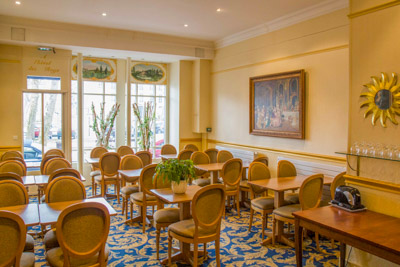
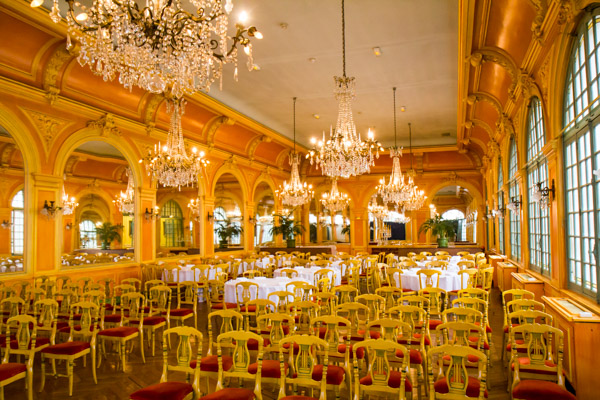
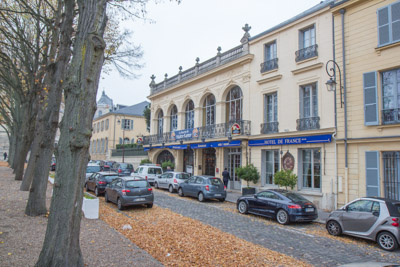
Les Salons de l'Hôtel de France | |
|
Visit of SOLEIL Wednesday 18th of October (14h-15h30) |
High-technology facility, SOLEIL is both an electromagnetic radiation source covering a wide range of energies (from the infrared to the x-rays) and a research laboratory at the cutting edge of experimental techniques dedicated to matter analysis down to the atomic scale, as well as a service platform open to all scientific and industrial communitievs. SOLEIL accelerator complex is composed of a 100 MeV LINAC, a 2.75 GeV BOOSTER and a 3.9 nmrad storage ring. A total of 29 beamlines take their photon beam either from a dipole or an undulator source.
Important : Not allow to people with pacemakers or defibrillator implants |
|
|
Visit of the Château de Versailles (audioguide) Friday 20th of October afternoon (15h00) Price 25€/person (as an option in the registration fees) |
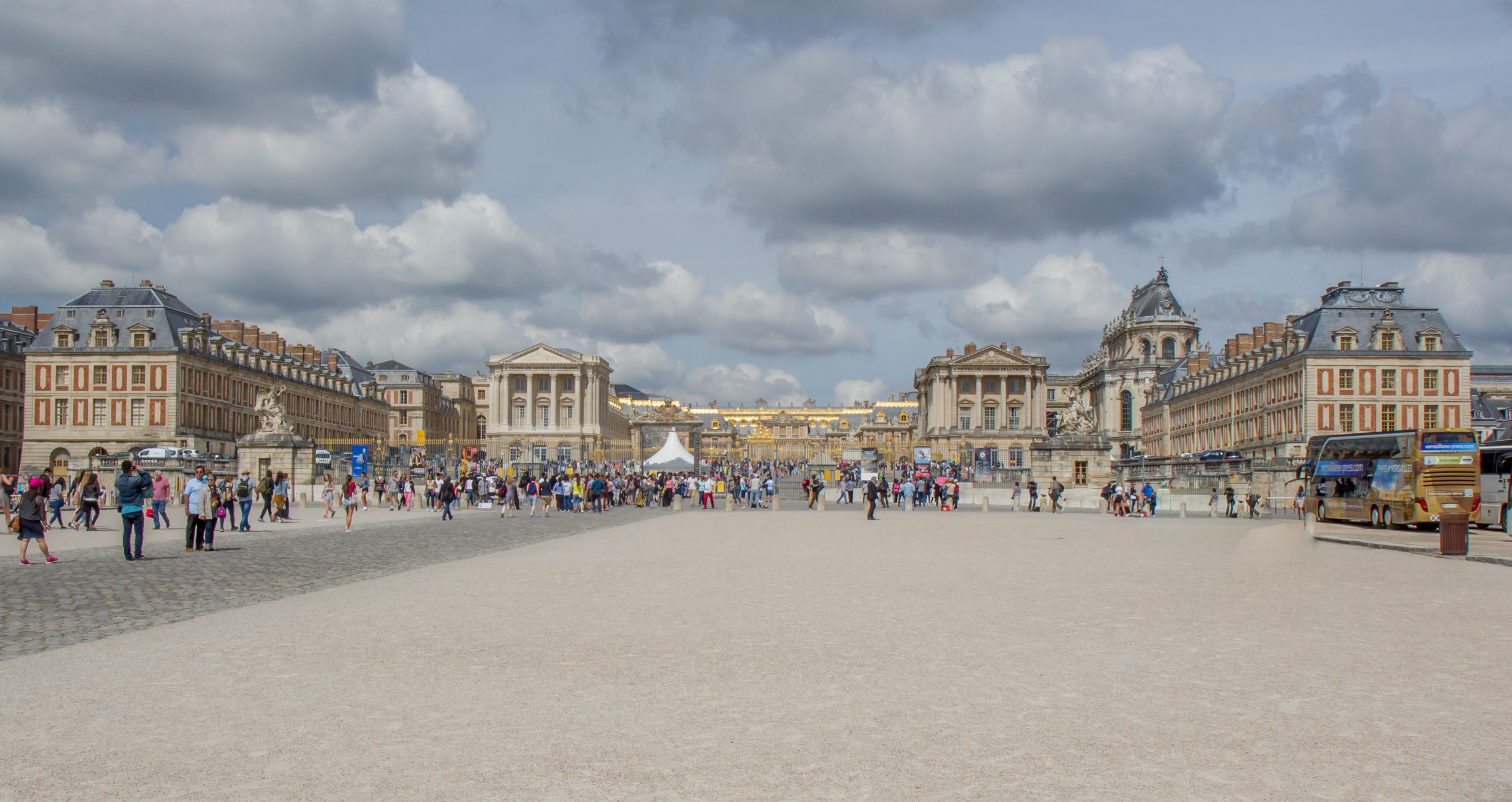
Famous around the world for its castle and gardens, UNESCO-protected sites in the list of the world heritage of mankind. A new town created by the will of King Louis XIV, Versailles was the seat of the French political power for a century from 1682 to 1789, before becoming the cradle of the French Revolution. After losing its status of royal city, Versailles is also historically known for being the place of signature of numerous treaties such as the Treaty of Paris (1783) which ended the American War of Independence and the Treaty of Versailles signed at the end of the First World War.
|
|
|
Visit of the CPO (Proton Therapy Center of Orsay, close to SOLEIL) Saturday 21st of October morning Departure from VERSAILLES: 8h45 Return to VERSAILLES: 12h30 (Included in the registration fees) |
The Proton Therapy Center of Orsay (CPO), unit of Institut Curie, has treated over 5000 patients since its creation in 1991 and 550 patients for the year 2016. The center consist of a 230 MeV cyclotron and 3 treatments rooms. Patients with ophthalmological and intra-cranial tumors can be treated in seated or lying positions. Other tumors located in other parts of the body can be treated in a dedicated room equiped with an isocentric gantry. The center carries on also reasearch activities The staff is composed of nearly 50 people (radiotherapist, medical physicists, laboratory technicians, engineers)
Important : Not allow to people with pacemakers or defibrillator implants
|
|
Latest information: Workshop is full
Workshop registrations are now closed
| Event | Fee | Start | End |
|---|---|---|---|
| Early bird registration | 600 € | 27 March 2017 | 15 July 2017 |
| Late bird registration | 650 € | 16 July 2017 | Closed |
The early bird registration deadline is the 15th of July. The registration has to be finalized and the money received by this date, in order to be eligible for the reduced fee.
Modes of Payment
Two possible modes of payment are available: bank transfer or Credit Card
Payment by Credit Card:
Please follow the instructions at the end of the register form.
Payment by bank transfer:
Thank you for transmitting your payment by bank transfer to the following account number with mentioning your name and the workshop reference:
Name-ARW2017-69160600
BNP Paris Bas
International Bank Account Number (IBAN) : FR76 3000 4006 8400 0100 8245 430
Code d'identification bancaire (BIC) : BNPAFRPPXXX
Synchrotron SOLEIL
Your registration will be final only after receiving your payment.
Workshop Cancellation Policy
- Registrations cancelled before the 15th of June 2017 will be refunded 90% of the registration fees.
- Registrations cancelled after the 15th of June 2017 will not be eligible for a refund.
Cancellation notification must be sent to the conference email LOCARW2017@synchrotron-soleil.fr for refunds to be eligible.
Refunds will be processed in the following ways:
- A bank transfer will be made to the payee nominated account and all bank charges will be directly deducted from the refund
The policy as stated on this page is valid from March 2017.
Participants List
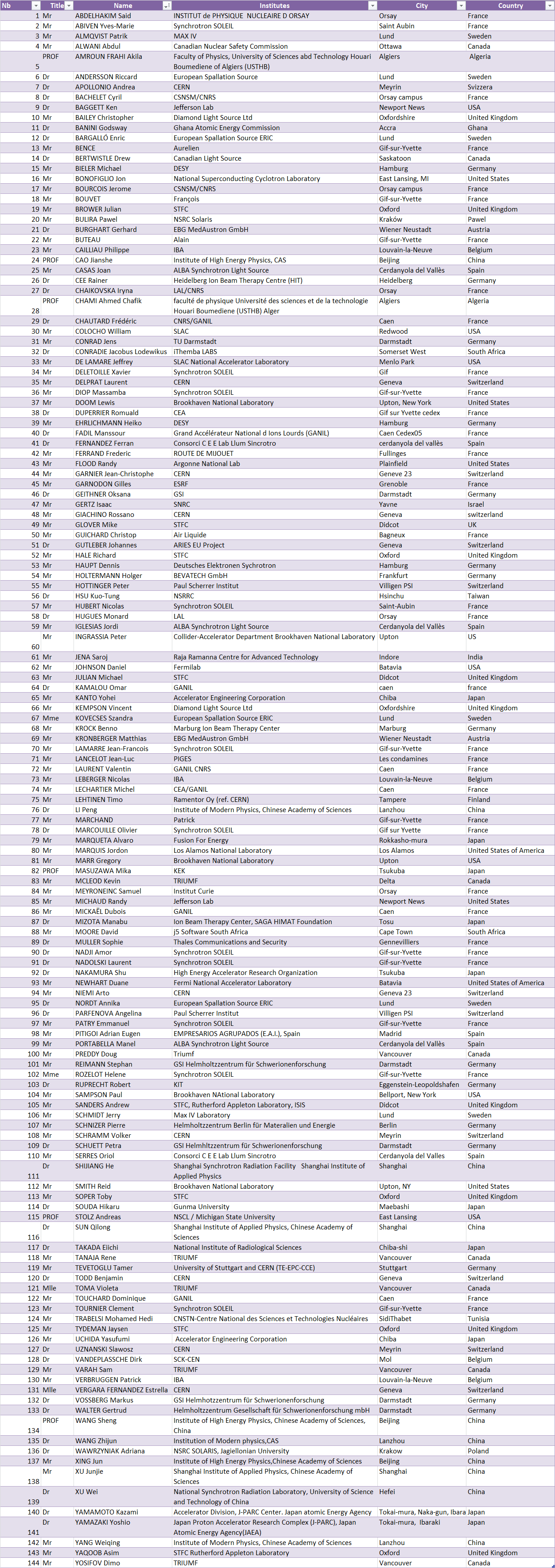
A more detailed version of the programme with allocated time and abstracts are available on CERN indico:
CERN Indico workshop site
All workshop proceedings will be stored on INDICO website.
Poster/Picture Information
Poster practical information
- Poster format is A0 portrait
- LOGO for posters are available on this page
A Picture Related to Reliability
- Minimum size A3
Prizes
- Award for the best poster
- Award for the best picture related to reliability.
Oral Contribution Information
- Computer: only workshop computer will be used
- Format: Microsoft PowerPoint or PDF
- Guidelines can be downloaded using here arwguidelinesoralcontributionguidelines.pdf .
- How to upload your contribution: please go to the workshop INDICO server and log in.
- Slide size: prefer size 16/10 (or 16/9) in order that your talk occupies the whole screen. See below:
- Microsoft help topic: https://goo.gl/HC4NyX
- Help video: https://goo.gl/2QHCxR
- At workshop place, please go and meet the computer responsable before your session to check if your presentation is correct.
Hopefully these guidelines will help you make an effective slide presentation that will inform and will stimulate lively discussions about the workshop topics.
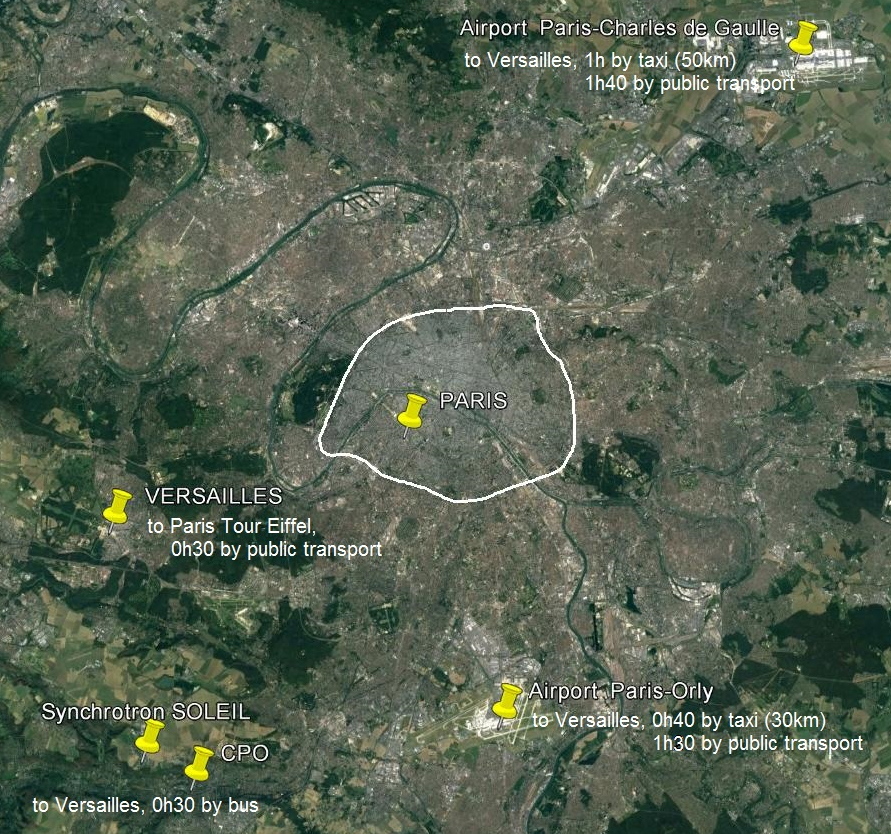
Versailles is a French city located in the department of Yvelines at 17km from Paris. Famous around the world for its castle and gardens, UNESCO-protected sites in the list of the world heritage of mankind. A new town created by the will of King Louis XIV, Versailles was the seat of the French political power for a century from 1682 to 1789, before becoming the cradle of the French Revolution. After losing its status of royal city, Versailles is also historically known for being the place of signature of numerous treaties such as the Treaty of Paris (1783) which ended the American War of Independence and the Treaty of Versailles signed at the end of the First World War.
http://en.versailles-tourisme.com
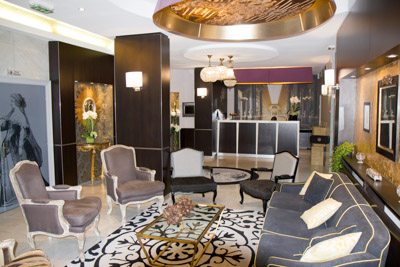
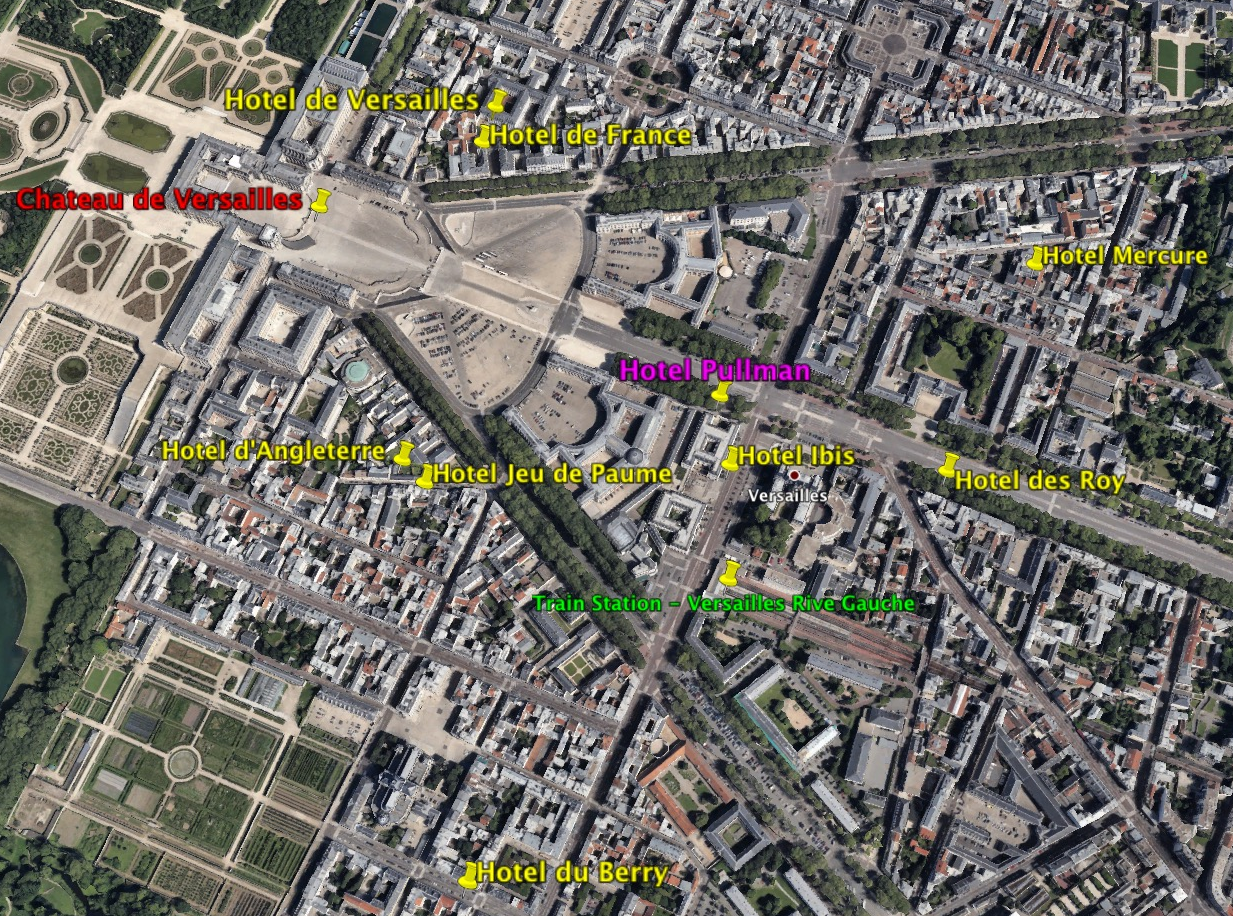
Venue Location
Adresse
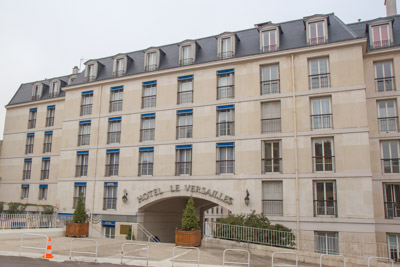
Hôtel Le Louis, Versailles Château (Pullman Château de Versailles)
2 bis avenue de Paris
78000 Versailles
France
Tél. +33 (0)1 39 07 46 46
48.8018438, 2.1288122999999
Directions to Versailles
By plane
2 airports:
Paris Charles de Gaulle Airport located at 50 Km from Versailles http://www.parisaeroport.fr/en/homepage
Orly Airport located at 30 km from Versailles http://www.parisaeroport.fr/en/passengers/access/paris-orly
By public transport
From PARIS take RER C to GARE DE VERSAILLES CHATEAU RIVE GAUCHE
From CHARLES-DE-GAULLE Airport, take RER B to SAINT MICHEL NOTRE DAME and then take the RER C to GARE DE VERSAILLES CHATEAU RIVE GAUCHE
From "MASSY-PALAISEAU" station take the RER C to GARE DE VERSAILLES CHANTIER and then take bus 262-261 to GARE DE VERSAILLES CHATEAU RIVE GAUCHE
From ORLY Airport - take ORLYVAL to ANTONY then take RER B to MASSY PALAISEAU and take RER C TO GARE DE VERSAILLES CHATEAU RIVE GAUCHE
Accommodation
The accommodation is not included in the registration fees.
Delegates should make their own accommodation bookings directly with the selected hotel.
Special workshop rates have been negotiated with the hotels and are available until the 15th of June 2017. Some Special Workshop rates have been extended with few hotels until the 31st of August.
All Hotels are located less than a 10 minute walk from the venue (Pullman Versailles)
|
Hotels |
Prices | |
|---|---|---|
|
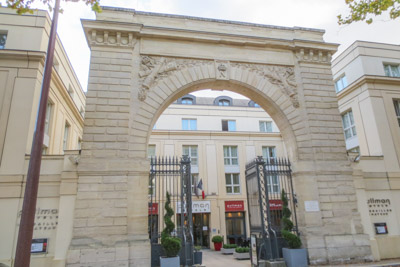
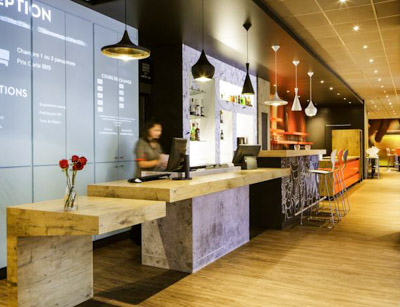
Hôtel Le Louis, Versailles Château (Pullman Versailles), 2 bis avenue de Paris 78000 Versailles Luxury hotel How to book: Please Click here |
Double room 192.50€/night Breakfast Included City Tax 2.50€/night/person Free Wifi |
|
|
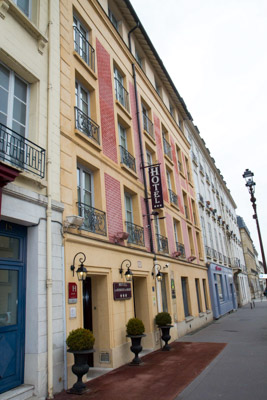
Hôtel de France, 5 rue Colbert 78000 Versailles Charming hotel How to book: Please contact the hotel and use ARW 2017 code hotel-de-france-versailles@orange.fr Special workshop rates extended until 31 August |
Double or Twin room 105€/night Triple 149€/night Breakfast 13€ City Tax 1.5€/person/night Free Wifi |
|
|
Hôtel du jeux de Paume, 5 bis rue du Fontenay 78000 Versailles Luxury lodge How to book: Please contact the hotel and use ARW 2017 code |
Double room : 145€/night Triple 165€/night Breakfast Included Free Wifi The orange network does not work well |
|
|
Hôtel d'Angleterre, 2 bis rue de Fontenay 78000 Versailles Charming hotel How to book: Please contact the hotel and use ARW 2017 code hotelangleterreversailles@gmail.com |
Double room : 98€/night Twins room : 105€/night Triple room 135€/night Breakfast Included Free wifi The orange network does not work well
|
|
|
Mercure Hôtel, 19 rue Philippe de Dangeau 78000 Versailles How to book: Please complete the here Booking Form and send it to the hotel : h1909@accor.com Special workshop rates extended until 31 August |
Single room 159€/night Double room 166.50€/night Breakfast included City Tax 1.5€/night/person Free Wifi |
|
|
IBIS Versailles, 4 avenue du Générale de Gaulle - 78000 Versailles How to book: Please use ARW 2017 code and complete the Booking form Ibis here and send it to the hôtel: h1409@accor.com Special workshop rates extended until 31 August |
Double room : 112.10€/night Breakfast and tax included Free Wifi |
|
|
Luxury hotel How to book: Please contact the hotel and use ARW 2017 Synchrotron SOLEIL code Special workshop rates until 31 August |
Single room 135€/night Breakfast Included Free Wifi Tax 1.50/night/person |
|

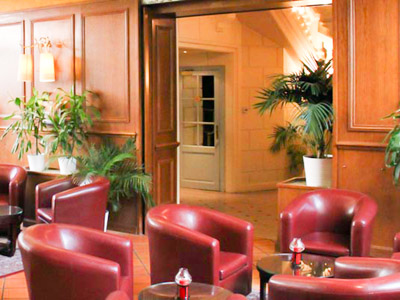
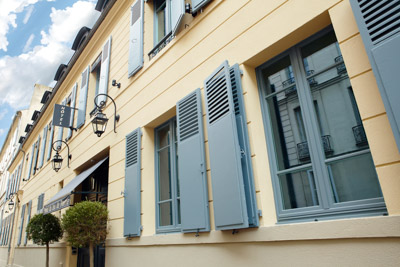
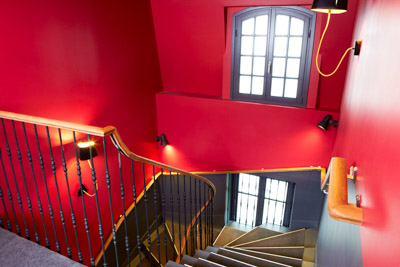
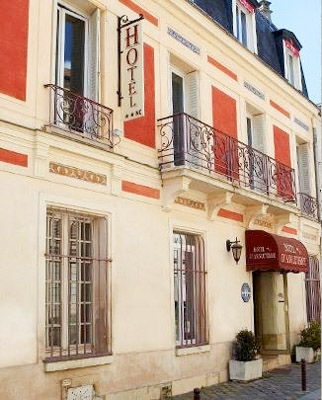
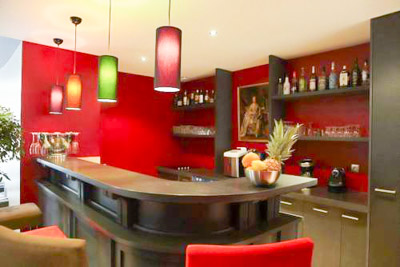
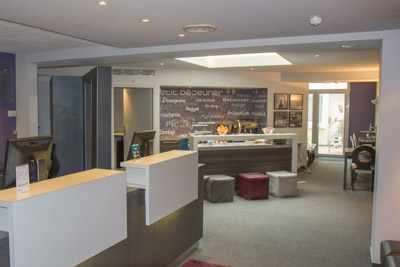
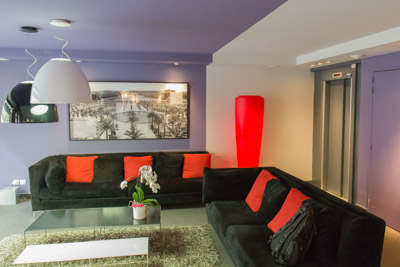
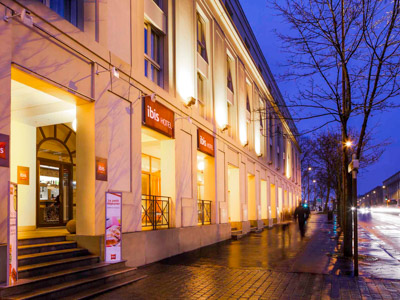
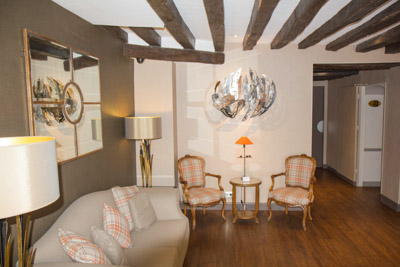
Others suggestions without special workshop rate:
|
Charming hotel
|
Double room from 90€ to 124 €/night Breakfast 12€ Free Wifi |
|
|
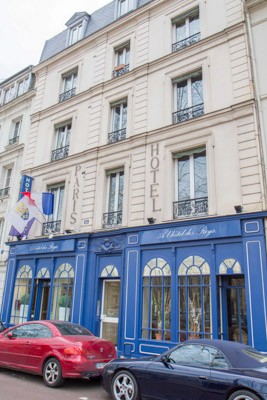
Charming hotel
|
Classique room from 109 € to 199 €/night Breakfast 17€ Free Wifi |
|
As organizers of the next edition of the ARW 2017 workshop, we are willing to ask your Company whether you may be interested in sponsoring this event. Different sponsorship opportunities are offered.
Please read this document Sponsors Information
Please contact the Local Organizing Committee for further information: LOCARW2017@synchrotron-soleil.fr
| Sponsor | Descriptif |
|---|---|
The French Physical Society (SFP) was founded in 1873 by Charles Joseph d'Almeida.This is a non profitable association whose members are physicists, benevolents, professors, laboratories and industries interested in all the fields of physics. Its missions is to promote Physics in France through many outreach activities. This is also a place to discuss Physics, its future, it teaching at schools and universities. This is a ideal network where its members can meet and exchange ideas. The SFP is member of The European Physical Society (EPS). As a learned society, the EPS engages in activities that strengthen ties among the physicists in Europe. As a federation of National Physical Societies, the EPS studies issues of concern to all European countries relating to physics research, science policy and education. |
|
ARIES is a CERN coordinated Horizon 2020 EU project with the goal of improving the performance, availability, and sustainability of particle accelerators as a common activity between universities, research centers and industry.One particular task in this four years lasting project is dedicated to explore the possibility to record statistical reliability and maintenance information about equipment and technical infrastructure that are vital to the operation of particle accelerators. Over the past three years, CERN, Technical University of Tampere (Finland), University of Stuttgart (Germany) and company Ramentor Oy (Finland) assessed the suitability of a method and tool used in large-scale industries to model the availability of particle accelerators. It became quickly clear that the lack of collected information about equipment and infrastructure is the real showstopper, hindering the creation of models and simulation of the cost/benefit of reliability and availability improvement suggestions. Yet again, a fresh new look to successful initiatives in industry, launched as early as the 1980ies, to collect and make component information available for reliability engineers, respecting confidentiality and abstracting from specific plant types, triggered this initiative in the frame of an EU project. The Heidelberg Ion Therapy facility (HIT), now operating two synchrotrons for light-ion cancer therapy in Heidelberg and Marburg (Germany) joined this initiative early on with the contribution to provide component information based on the operation of the two medical accelerators. This sign from a production-style accelerator facility confirms the need and wish of the particle accelerator designers to enter an era of cost/performance optimization. Here we present the initiative and invite further interested partners to review our ideas and contribute to constructive proposals. |
|
|
|
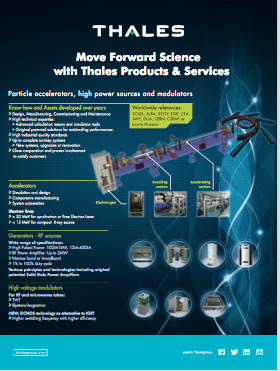
THALES: Particle accelerators, high power sources and modulatorsWorldwide references: SOLEIL, ALBA, BESSY, ESRF, CEA, AWE, DGA, CERN, C2RMF at Louvre Museum Know-how and Assets developed over years
Accelerators
Electron gun > 50 MeV for synchrotron or Free Electron Laser < 15 MeV for compact X-ray source Generators - RF sourcesWide range of specifications:
High voltage modulatorsFor RF and microwaves tubes:
NEW: SICMOS technology as alternative to IGBT
|
PIGES is an association created in 2010 gathering French companies involved in Research InfrastructuresTo promote their activities– To enhance links with research labs (training...) – To initiate common R&D programs with Research Institutes Areas of actions:– Setting R&D projects – Developing Technology Platforms – Managing the “national pole of excellence” – Strategic monitoring of technologies – Promoting knowledge and experiences – Sharing investment Adressing:– Accelerators – Biology and Medecine – Nuclear Energy: Fusion and Fission reactors – Space programs – Astrophysics – High power lasers Many skills and know howA large capacity to Undertake R&D projects Fields of expertise of PIGES Members: Projects & Programs Management |
|
j5 International is a leading global provider of operations and process safety management applicationsLeadershipThe technical and strategic leadership of the group has been involved in the process control and knowledge management industry for more than thirty years. Their first Electronic Logbook was delivered to a Gold Mine in Western Australia in 1985. For more information, please see Leadership. Applicationsj5 International delivers Operations Logbook, Shift Handover, Event Manager, Incident Management, Permit to Work, Work Instructions, Action Management, Standing Orders, Management of Change and more. j5 Mobile comprises of Inspection Rounds, Operations Logbook and Standing Orders. j5 IndustraForm® is a patent pending technology that makes it easy to create enterprise wide Operations Management Applications and also to replace homegrown spreadsheets and paper forms with custom j5 applications. Electronic LogbooksElectronic Logbooks have recently been a hot topic of discussion across Particle Accelerator networks such as the Global Accelerator Network (GAN) and the European Particle Accelerator Conference (EPAC). Leading industry companies such as the European Synchrotron Radiation Facility (ESRF) have championed the benefits of e-logbooks to the Particle Acceleration community. j5 International supplies Operations Management and Process Safety applications to customers on all six continents and in over twenty nations, with representatives situated in Africa, Australia, Europe, Japan, Middle East, North America, Singapore and South America. Customersj5 International caters for single site installations and complex multinational solutions. Its customers are located on every continent, in the countries such as: Argentina, Australia, Brazil, Canada, China, Czech Republic, France, Germany, Italy, Japan, Madagascar, New Zealand, Peru, Saudi Arabia, Singapore, South Africa, Thailand, Trinidad and Tobago, United Kingdom, United States, Venezuela and Vietnam. For more information see our Global User Map.
|
|
|
The world leader in gases, technologies and services for Industry and Health, Air Liquide is present in 80 countries with approximately 65,000 employees and serves more than 3 million customers and patients. Oxygen, nitrogen and hydrogen are essential small molecules for life, matter and energy. They embody Air Liquide’s scientific territory and have been at the core of the company’s activities since its creation in 1902. Air Liquide’s ambition is to lead its industry, deliver long term performance and contribute to sustainability. The company’s customer-centric transformation strategy aims at profitable growth over the long term. It relies on operational excellence, selective investments, open innovation and a network organization implemented by the Group worldwide. Through the commitment and inventiveness of its people, Air Liquide leverages energy and environment transition, changes in healthcare and digitization, and delivers greater value to all its stakeholders. Air Liquide’s revenue amounted to €18.1 billion in 2016 and its solutions that protect life and the environment represented more than 40% of sales. Air Liquide is listed on the Euronext Paris stock exchange (compartment A) and belongs to the CAC 40, EURO STOXX 50 and FTSE4Good indexes. |




Contact :
Email: LOCARW2017@synchrotron-soleil.fr
Postal address:
Société civile Synchrotron SOLEIL
L'Orme des Merisiers
Saint-Aubin - BP 48
91192 GIF-sur-YVETTE CEDEX FRANCE
Geographical address:
SYNCHROTRON SOLEIL
L’Orme des Merisiers
roundabout of St Aubin
91190 Saint-Aubin, FRANCE
Latitude: 48.711922
Longitude: 2.146156
intersection between RD306 and D128