|
|
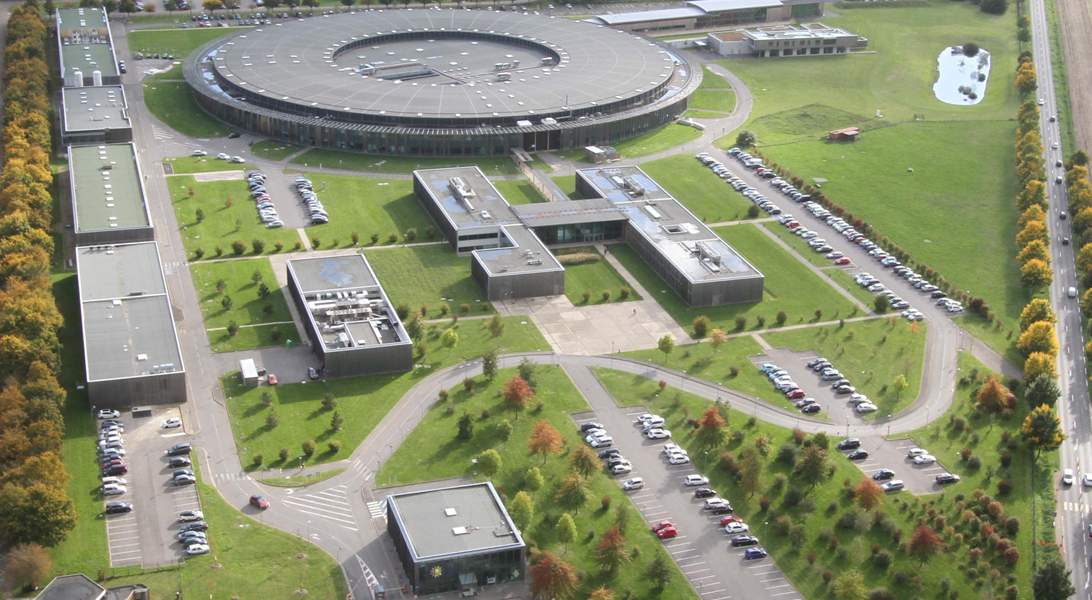
SOLEIL synchrotron, inaugurated on December 18, 2006, brings together the whole of the French and international scientific community. It required five years to bring this very high-tech equipment, installed on the Saclay plateau at the heart of a very high-level scientific environment, up to date. Now, it's open to users, researchers in various disciplines used the highest-performing techniques to gain access to the geometry of the material, as well as its chemical, magnetic, and electric properties.
|
 |
| | Statutes and partners | On October 16, 2001, the CNRS and the CEA created the public company SOLEIL Synchrotron, called to lead the construction and then the operation of SOLEIL. They hold 72% and 28%, respectively, of its shares. Alongside them, the Ile de France region and the General Council of l’Essonne have insured nearly 80% of investments. The central region is also a SOLEIL partner. |
|
| | Financing | SOLEIL’s financing has been ensured in large part by its regional partners. Responsibility for its operation falls under the charge of its two shareholders, the CNRS and the CEA. User hosting is also the object of a special European Community financing program. |
|
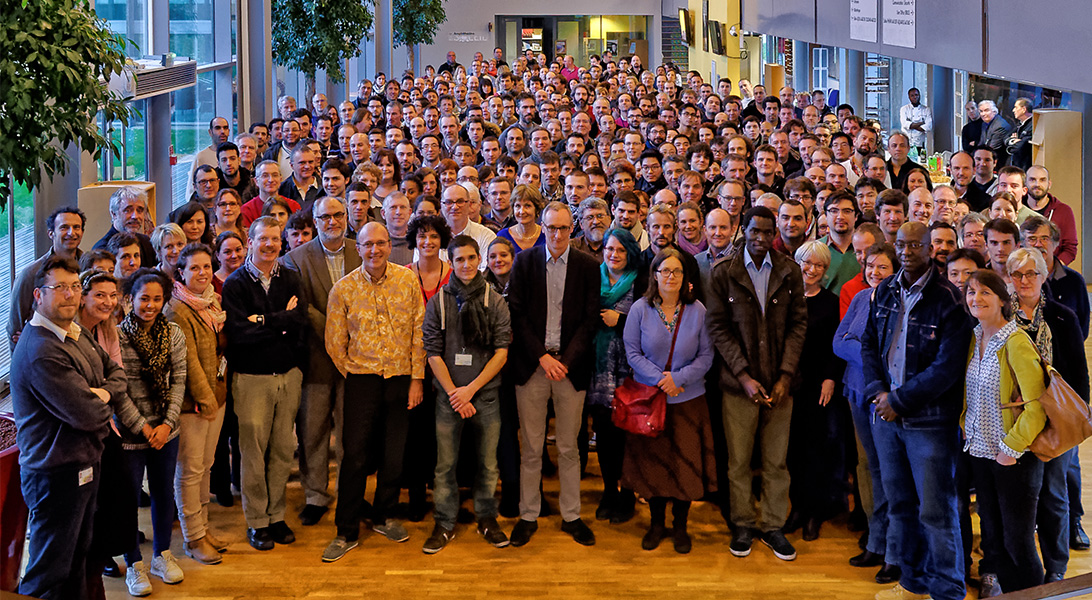
| | SOLEIL staff | SOLEIL’s staff will eventually be comprised of 357 permanent independent employees provided by organizations (CEA, CNRS, universities) or directly recruited by SOLEIL. Thesis students, doctoral students, and post-doctoral students will also participate in research programs, including those in the field of accelerators. 80% of the staff will have scientific or technical vocations and 20% will work in administrative or managerial capacities. Classifications of the employees |
|
| | Employment and tenders | SOLEIL is autonomous for the procurement of contracts and the recruitment of teams. You will find employment opportunities and open markets in the pages linked below. Employement | Tenders |
|
|
|
| | Come to SOLEIL | The site is located at l'Orme des Merisiers, in the community of Saint-Aubin. But how do you find SOLEIL synchrotron? |
|
 |
|
|
|
 |
|