
SOLEIL est un lieu d’échange et de diffusion de la culture scientifique et technique. Accessible à tous depuis le démarrage du projet en 2001, des actions pédagogiques et de médiation se développent avec nos partenaires : le milieu enseignant, les établissements de recherche et d’enseignement supérieur, les associations de culture scientifique…
Partager la culture scientifique
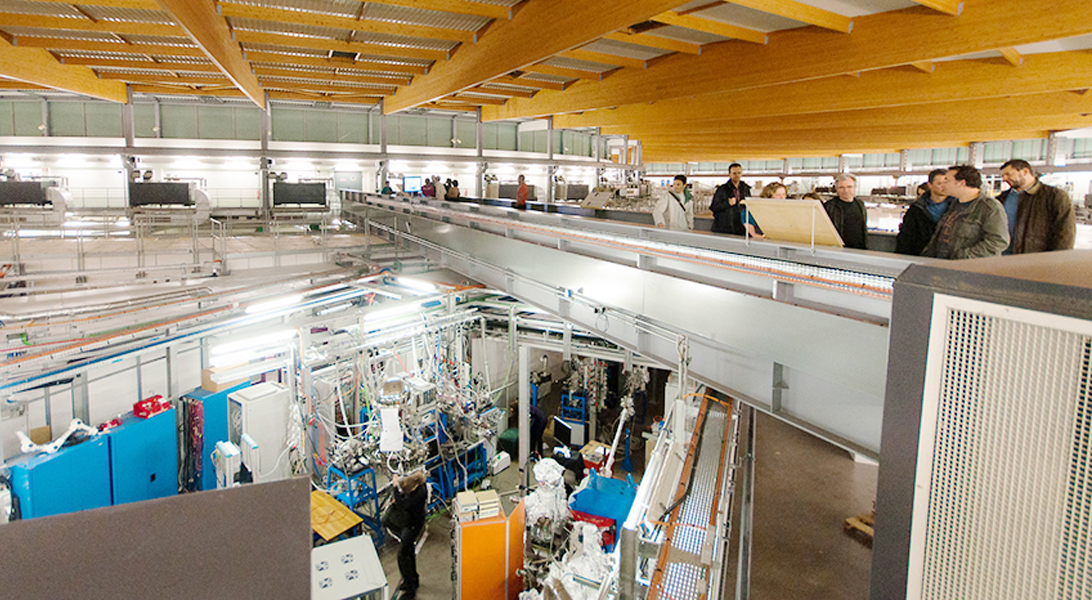
Depuis 2003, tout public curieux de science est accueilli à SOLEIL
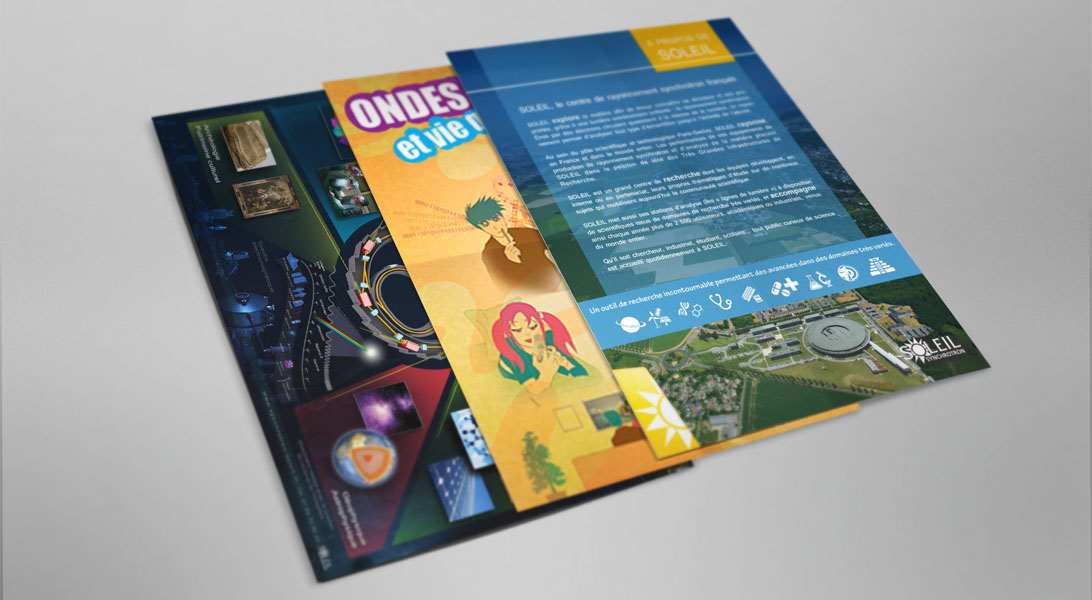
Se documenter
Découvrir nos vidéos
Accédez à plus de 50 vidéos