RESEARCH ON OUR SITE


2011 retrospective – scientific results at SOLEIL, The French synchrotron radiation source situated on the Saclay campus

Press Contents > Press releases > Rétrospective 2011

For an overview of the fourth year that SOLEIL has been operational and to provide the impetus to follow our 2012 results, we offer a selection of the scientific results for the past year from among approximately 400 scientific articles published in 2011.

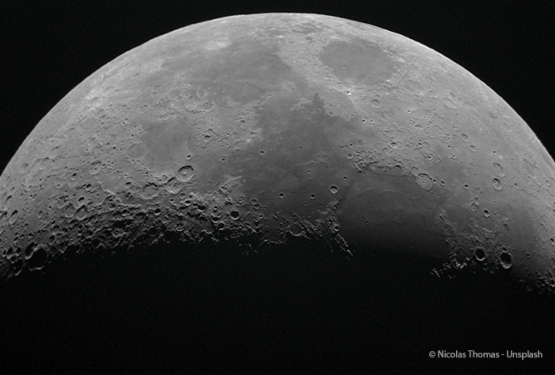
 Astrophysics - Could the origin of life on Earth be extra-terrestrial? 
 
 Microelectronics - Towards multifunctional transistors

 Pharmacology - First decoding of the mechanism of action of general anaesthetics
 
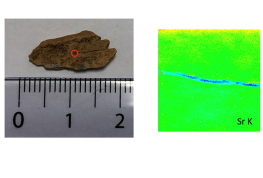
 ArtWhy have the skies in paintings by Murillo and Veronese turned gray?
 
 EnergyTracking sulfur in exhaust fumes to reduce acid rain and greenhouse gas emissions.
 
 Storage of digital informationWhen Prussian Blue is of interest not just to painters… 
 
 MedicineEarly diagnosis can prevent unnecessary kidney transplants
 
 Molecular physics A fundamental scientific stumbling block lifted due to the synchrotron  

 Heritage - Conservation of ancient manuscripts: with or without oxygen?

 EnvironmentA small plant to the rescue of polluted soils


The year 2011 was also marked by some institutional events:

 It was 10 years ago that France decided to build a 3rd generation synchrotron called SOLEIL

 Jean Daillant was named Director General of SOLEIL.

 The foundation stone of the IPANEMA platform was laid, the only structure in the world dedicated to the study of ancient materials


Please also read our e-newsletter and our journal "Le Rayon de SOLEIL" for other selections of results and news throughout the year

 Newsletter of SOLEIL

 Magazine "Le Rayon de SOLEIL"


Key figures:
  • Over 2,000 external researchers have come to use our experimental set-ups,
     
  • More than thirty countries in the world represented by these SOLEIL users,
     
  • About 5,000 visitors (lower and upper secondary schoolchildren, students, scientists, industrialists and general public) have been given guided tours of our site,
     
  • Three new laboratories (called beamlines) to add to the 23 existing beamlines,
     
  • IPANEMA, the only platform in the world dedicated to the study of ancient materials.


Accueil